

Tossing and turning, staring at the ceiling, and waking up feeling like you haven't slept at all—it's a frustratingly common experience. We often blame stress, a busy schedule, or that late-afternoon coffee. But what if the secret to a restorative night’s sleep is hiding in your gut? Emerging science reveals a deep and direct connection between your digestive system and your sleep patterns. The link between the gut microbiome and sleep is not just a passing wellness trend; it's a fundamental aspect of our biology that influences how well we rest and recharge.
This communication channel, known as the gut-brain axis, means that a happy, balanced gut can lead to deeper, more refreshing sleep. Conversely, an imbalanced gut can contribute to restless nights. In this article, we’ll walk through how your gut bacteria influence your sleep, what you can eat to nurture a sleep-friendly microbiome, and why specific nutrients are changing the game for gut health and sleep quality.
What Is the Gut Microbiome & Why It Matters
Your gut microbiome is a complex community of trillions of microorganisms, including bacteria, viruses, and fungi, that live in your digestive tract. Think of it as a bustling city inside you, where each resident has a job. These microbes are essential for more than just digesting food. They help produce vitamins, regulate your immune system, and even influence your mood and brain function.
A healthy microbiome is a diverse one, with a wide variety of beneficial bacteria working in harmony. When this delicate balance is disrupted—a state called dysbiosis—it can lead to issues like bloating, digestive discomfort, and, as we're learning, sleep problems. Maintaining a balanced community of sleep quality gut bacteria is a key pillar of overall wellness.
The Gut-Brain Axis: Your Gut’s Role in Sleep Regulation
How can bacteria in your gut possibly affect your brain and sleep? The answer lies in the gut-brain axis sleep connection, a constant, two-way communication network linking your central nervous system to your digestive system. This highway uses several routes, including the vagus nerve, hormones, and immune signals, to send messages back and forth.
Your gut microbes are active participants in this conversation. They produce neurotransmitters and other compounds that travel to the brain and directly influence sleep-wake cycles. For instance, inflammation is a known disruptor of sleep. Certain gut bacteria can either promote or reduce inflammation throughout the body. As research on the gut-brain axis highlights, infants fed a formula containing the human milk oligosaccharide (HMO) 2'-Fucosyllactose (2'-FL) had significantly lower levels of inflammatory markers. By calming systemic inflammation, a healthy gut helps create the right internal environment for peaceful sleep.
Key Microbial Messengers That Affect Sleep
Your gut bacteria don't just send random signals; they produce specific molecules that are critical for relaxation and sleep.
Short-Chain Fatty Acids (SCFAs)
When you consume dietary fibers and prebiotics, beneficial gut bacteria ferment them and produce short-chain fatty acids (SCFAs) like butyrate, acetate, and propionate. Butyrate is particularly important. It serves as the primary energy source for the cells lining your colon, strengthening the gut barrier and reducing inflammation. A 2024 pilot trial that examined the gut metabolome found that adults with chronic GI conditions who consumed a formula containing the HMO 2'-FL saw an increase in stool SCFAs, including butyrate, which corresponded with improved GI quality of life. By supporting a healthy gut lining and reducing inflammation, SCFAs contribute to better sleep quality.
Serotonin
You might know serotonin as the "feel-good" neurotransmitter responsible for happiness and well-being. But did you know that over 90% of your body's serotonin is produced in the gut? Gut bacteria play a direct role in its production. Serotonin is a precursor to melatonin, the hormone that governs your sleep-wake cycles. A well-fed and balanced microbiome can support healthy serotonin levels, which in turn promotes the production of melatonin when it's time to sleep.
GABA (Gamma-Aminobutyric Acid)
GABA is an inhibitory neurotransmitter that produces a calming effect, reduces anxiety, and helps initiate sleep. Certain strains of bacteria, particularly Bifidobacterium and Lactobacillus, can produce GABA directly within the gut. By increasing the availability of this calming compound, these microbes help prepare your mind and body for rest.
How Poor Sleep Impacts Gut Diversity (The Dysbiosis Feedback Loop)
The relationship between your gut and sleep is a two-way street. Just as an unhealthy gut can harm sleep, a lack of quality sleep can damage your gut microbiome. Research shows that even just a few nights of poor sleep can alter the composition of your gut bacteria, reducing the abundance of beneficial species and potentially increasing harmful ones.
This creates a vicious cycle:
- You experience stress or have a few bad nights of sleep.
- Sleep deprivation causes negative changes in your gut microbiome (dysbiosis).
- The imbalanced gut produces fewer sleep-promoting metabolites (like butyrate and GABA) and may increase inflammation.
- This disruption in the gut-brain axis sleep pathway makes it even harder to get good sleep.
Breaking this cycle requires a proactive approach that supports both your sleep habits and your gut health simultaneously.
Dietary Strategies: Fueling Your Gut for Better Sleep
One of the most powerful ways to improve your gut health and sleep quality is through your diet. Focusing on foods that nourish your beneficial gut bacteria can help restore balance and enhance your body's natural ability to rest.
The Power of Prebiotics and Why Some Are Better Than Others
Prebiotics are specific types of fiber that your body cannot digest but serve as food for your beneficial gut bacteria. Think of them as fertilizer for your inner garden. While many plant-based foods contain prebiotics, not all are created equal.
Standard prebiotics, like inulin from chicory root or fructans from onions and garlic, are beneficial and contribute to fiber gut health sleep. They feed a broad range of microbes. However, a more advanced and targeted class of prebiotics exists: human milk oligosaccharides (HMOs).
HMOs are complex carbohydrates that are the third most abundant component of human breast milk, after lactose and fat. They are structurally unique and offer benefits that other prebiotics cannot. At kēpos, we use bio-identical HMOs created through a precision fermentation process, making this powerful nutrition accessible to adults.
Here’s why HMOs are a superior choice as prebiotics for better sleep:
-
Selective Feeding: Unlike general fibers that feed a wide array of bacteria, HMOs are highly selective. They are the preferred food for beneficial Bifidobacterium, a keystone genus for a healthy gut. A A study by Microorganisms 2024 showed that supplementing healthy adults with HMOs led to a significant increase in Bifidobacterium.
- Pathogen Decoy: HMOs have a unique structure that mimics the binding sites on the gut wall. This allows them to act as decoys, trapping harmful pathogens and preventing them from attaching to and infecting your gut cells.
-
Direct Sleep Benefits: The evidence connecting HMOs to better sleep is compelling. A 2024 study, supported by reviews on the gut-brain axis, found that infants receiving a formula with HMOs not only had lower rates of respiratory infections but also experienced fewer night awakenings.
While incorporating a variety of fiber-rich plants is a great foundation, adding a targeted prebiotic like the HMOs in kēpos products can provide next-level support for the specific gut bacteria linked to better sleep.
Can Probiotics and Fermented Foods Help?
Probiotics are live beneficial bacteria found in certain foods and supplements. Consuming them can help bolster the populations of good microbes in your gut. Many people wonder if probiotics improve sleep, and the answer is promising. By supporting a healthy microbial balance, probiotics can help reduce inflammation and enhance the production of sleep-friendly neurotransmitters.
Good sources of probiotics include fermented foods, which offer sleep benefits by introducing these live cultures into your diet. Examples include:
- Yogurt with live and active cultures
- Kefir
- Sauerkraut
- Kimchi
- Kombucha
Lifestyle Practices That Promote Gut and Sleep Health
Beyond diet, certain lifestyle habits can support both your microbiome and your sleep schedule.
- Consistent Sleep Schedule: Going to bed and waking up around the same time every day, even on weekends, helps regulate your body's internal clock, or circadian rhythm.
- Manage Stress: Chronic stress is toxic to both your gut and your sleep. Practices like meditation, deep breathing, yoga, or spending time in nature can help manage stress levels.
- Regular Exercise: Moderate physical activity is fantastic for your gut bacteria and has been shown to improve sleep quality. Just try to avoid intense exercise too close to bedtime.
The Future: Personalized Gut-Based Sleep Solutions
As we learn more about the intricate links between individual microbial strains and health outcomes, we are moving toward a future of personalized nutrition. The one-size-fits-all approach to wellness is becoming outdated.
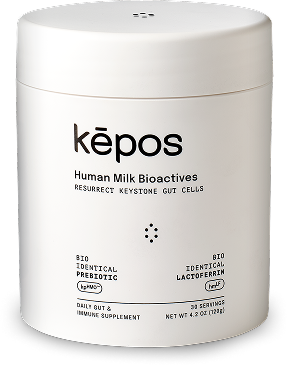
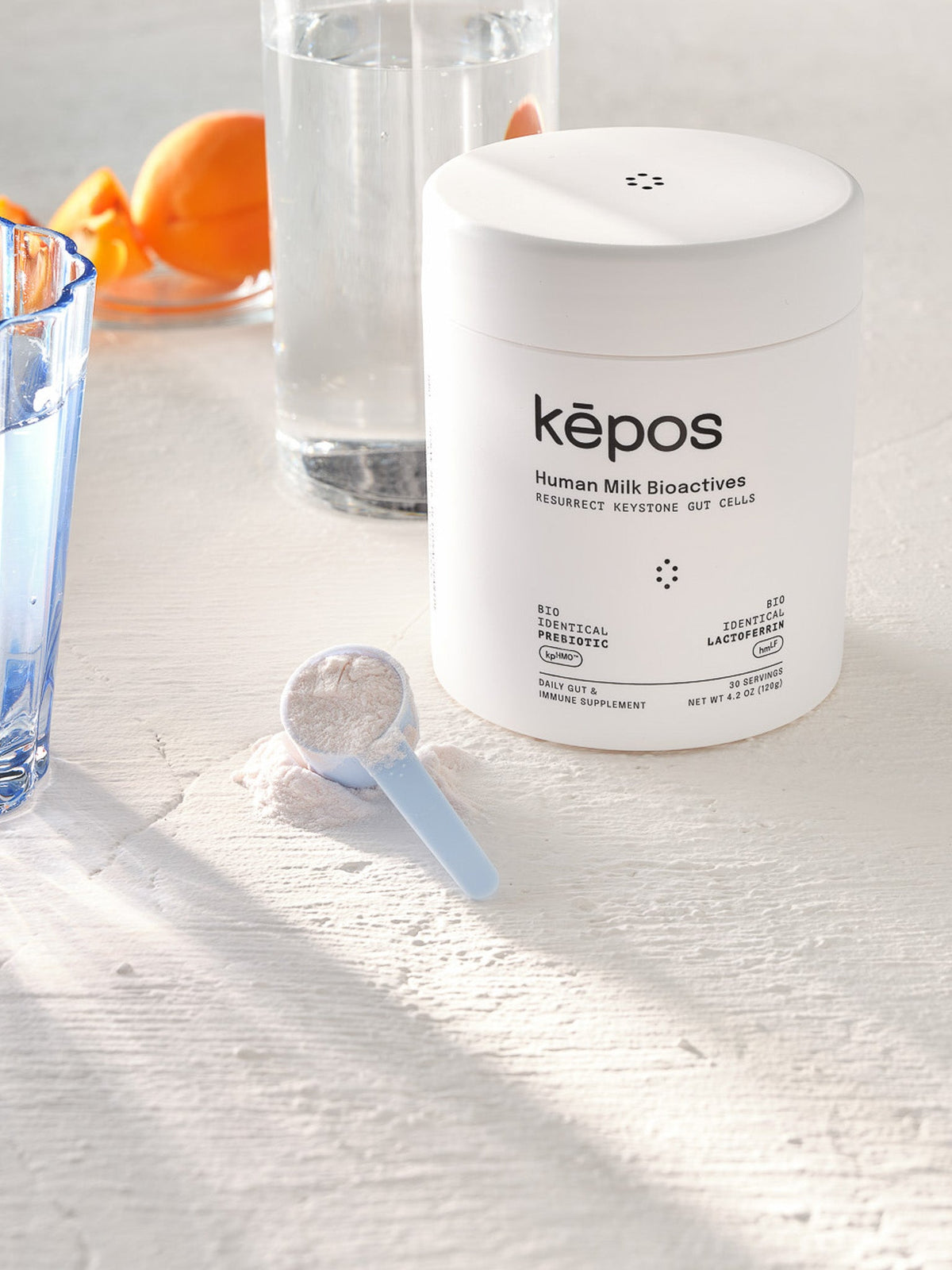
Supplements from kēpos, like our Human Milk-Equivalent Superfood, are at the forefront of this shift. By harnessing the power of bio-identical human milk bioactives, we offer a targeted way to nourish your microbiome. Our blend contains not only superior HMO prebiotics but also Effera™ human lactoferrin. This highly pure, recombinant human lactoferrin is a bioactive protein that supports immune function and gut health. A 2024 study demonstrated that Effera™ human lactoferrin (rhLF) is safe and well-tolerated, showing its precision without causing unwanted immune reactions that can occur with other forms of lactoferrin.
This combination of ingredients provides a sophisticated tool for anyone looking to optimize their gut-brain connection, from those with chronic digestive issues like IBS to bio-hackers seeking to fine-tune their health and performance.
Key Takeaways
- Your Gut and Brain are Connected: The gut-brain axis is a direct communication line where gut bacteria produce compounds that influence sleep quality.
- Microbes Make Sleep Molecules: Beneficial bacteria create neurotransmitters like serotonin and GABA and anti-inflammatory compounds like butyrate, which are all crucial for relaxation and rest.
- It's a Two-Way Street: Poor sleep can harm your gut health, and poor gut health can disrupt your sleep, creating a negative feedback loop.
- Diet is Key: A diet rich in fiber, fermented foods, and targeted prebiotics like Human Milk Oligosaccharides (HMOs) can nourish the specific gut bacteria that promote better sleep.
Conclusion & Take‑Home Tips
The science is clear: the path to a better night’s sleep runs directly through your gut. The trillions of microbes living in your digestive system are not passive residents; they are active partners in regulating your sleep. By nurturing a diverse and balanced microbiome, you support your body’s production of essential sleep-promoting compounds like butyrate, serotonin, and GABA.
To improve your gut microbiome sleep connection, remember these key tips:
- Feed Your Gut Well: Focus on a diet rich in diverse, plant-based fibers.
-
Be Strategic with Prebiotics: Consider adding a targeted, high-impact prebiotic like Human Milk Oligosaccharides (HMOs) to selectively boost beneficial Bifidobacterium.
- Incorporate Probiotics: Add fermented foods to your diet to introduce beneficial live bacteria.
- Manage Your Lifestyle: Prioritize a consistent sleep schedule, manage stress, and get regular exercise.
-
Consider Advanced Support: For a targeted approach, look to innovative solutions like kēpos, which combines bio-identical HMOs with Effera™ human lactoferrin to precisely support gut and immune health.
By taking care of your gut, you are taking a powerful step toward achieving the deep, restorative sleep you deserve. For more information, you can research our website at www.trykepos.com.
Frequently Asked Questions
1. How does gut health affect sleep quality?
Your gut microbes influence sleep through the gut-brain axis by producing neurotransmitters like serotonin and GABA, reducing inflammation, and creating calming compounds like butyrate, all of which are essential for restful sleep.
2. Can probiotics help me sleep better?
Yes, probiotics improve sleep by balancing your gut microbiome, which can lead to reduced inflammation and better production of sleep-regulating hormones and neurotransmitters.
3. Which foods boost gut bacteria for better rest?
- Prebiotic Foods: Onions, garlic, bananas, asparagus, and whole grains.
- Probiotic Foods: Yogurt, kefir, kimchi, sauerkraut, and kombucha.
-
Advanced Prebiotics: Supplements containing Human Milk Oligosaccharides (HMOs) offer targeted support for beneficial Bifidobacterium.
4. What role do short-chain fatty acids play in sleep?
Short-chain fatty acids (SCFAs), like butyrate, are produced by gut bacteria when they ferment fiber. They help strengthen the gut barrier, reduce inflammation, and promote a healthy gut environment conducive to sleep.
5. Does poor sleep alter gut microbiome diversity?
- Yes, even short-term sleep deprivation can negatively impact your gut microbiome.
- It can decrease the number of beneficial bacteria and increase harmful ones, creating a cycle where poor sleep and poor gut health reinforce each other.