

Feeling tired all the time? It might be more than just a lack of sleep. Low iron levels are a common reason for persistent fatigue, affecting millions of people. If you've been wondering about the best way to restore iron levels, you've come to the right place. Restoring your iron isn't just about popping a pill; it's about understanding how your body absorbs this vital nutrient, and the crucial role your gut plays in this process. This article will guide you through effective strategies, from diet to groundbreaking supplements, to help you get your energy and vitality back.
What is Iron Deficiency and Why Does it Happen?
Iron is a crucial mineral your body needs to make hemoglobin, a protein in red blood cells that carries oxygen from your lungs to the rest of your body. When you don't have enough iron, your body can't produce enough healthy red blood cells, a condition known as iron deficiency anemia. This can leave you feeling exhausted, weak, short of breath, and looking pale.
Several factors can lead to low iron levels:
-
Not enough iron in your diet: This is common, especially for those who don't eat a lot of iron-rich foods.
-
Blood loss: Conditions like heavy menstrual periods, or internal bleeding can deplete iron stores.
-
Inability to absorb iron: Certain intestinal disorders like celiac disease or inflammatory bowel disease (IBD) can prevent your body from properly absorbing iron from the food you eat.
How to Restore Iron Levels: The Conventional Path
If you've been diagnosed with low iron, there are several common approaches to get your levels back up. Understanding how to restore iron levels involves a multi-faceted approach.
Eating a Diet Rich in Iron
One of the first steps is to incorporate more iron-rich foods into your diet. There are two types of dietary iron:
-
Heme iron: Found in animal products like red meat, poultry, and fish. It's more easily absorbed by your body.
-
Non-heme iron: Found in plant-based foods like spinach, lentils, beans, and fortified cereals.
To boost your intake, try adding more lean red meat, chicken, fish, beans, and dark leafy greens to your meals. Many breakfast cereals, breads, and pastas are also fortified with iron.
The Power of Vitamin C
Here’s a simple trick to help your body absorb more iron, especially from plant-based sources: pair it with vitamin C. Vitamin C significantly enhances iron absorption. So, when you're having a spinach salad, squeeze some lemon juice on it. Drinking a glass of orange juice with your iron-fortified cereal can also make a big difference. Foods rich in vitamin C include citrus fruits, strawberries, bell peppers, and tomatoes.
Iron Supplements: A Quick Fix with a Catch
When diet alone isn't enough, doctors often recommend iron supplements. These can be an effective and how to restore iron levels fast. However, many people experience uncomfortable side effects from traditional iron supplements, such as constipation, nausea, and an upset stomach.
The problem is that a lot of the iron in these supplements isn't absorbed and is left sitting in the gut. This unabsorbed iron can be problematic, as it can feed harmful bacteria and lead to inflammation, disrupting the delicate balance of your gut microbiome. This can be especially concerning for individuals with existing gut sensitivities or conditions like IBS.
The Gut-Iron Connection: Why a Healthy Gut is Key
This brings us to a critical point often overlooked in the journey to restore iron levels: the health of your gut. Your gut is where the magic of nutrient absorption happens. Specifically, the duodenum, the first part of your small intestine, is the primary site for iron absorption. Only about 15% of the iron you consume is absorbed here, with the rest passing into the colon.
When your gut is inflamed or the intestinal barrier is compromised (a condition sometimes called "leaky gut"), your ability to absorb nutrients, including iron, is significantly reduced. Conditions like IBD are known to down-regulate iron absorption. Furthermore, unabsorbed iron from supplements can exacerbate inflammation in the gut, creating a vicious cycle. This is why simply taking more iron isn't always the answer, especially if your gut isn't in top shape. To truly find the best way to restore iron levels, we need to look deeper.
A Smarter Way to Restore Iron: The Power of Human Milk Bioactives
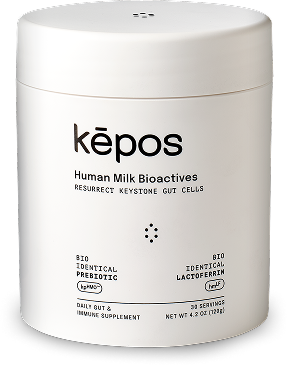
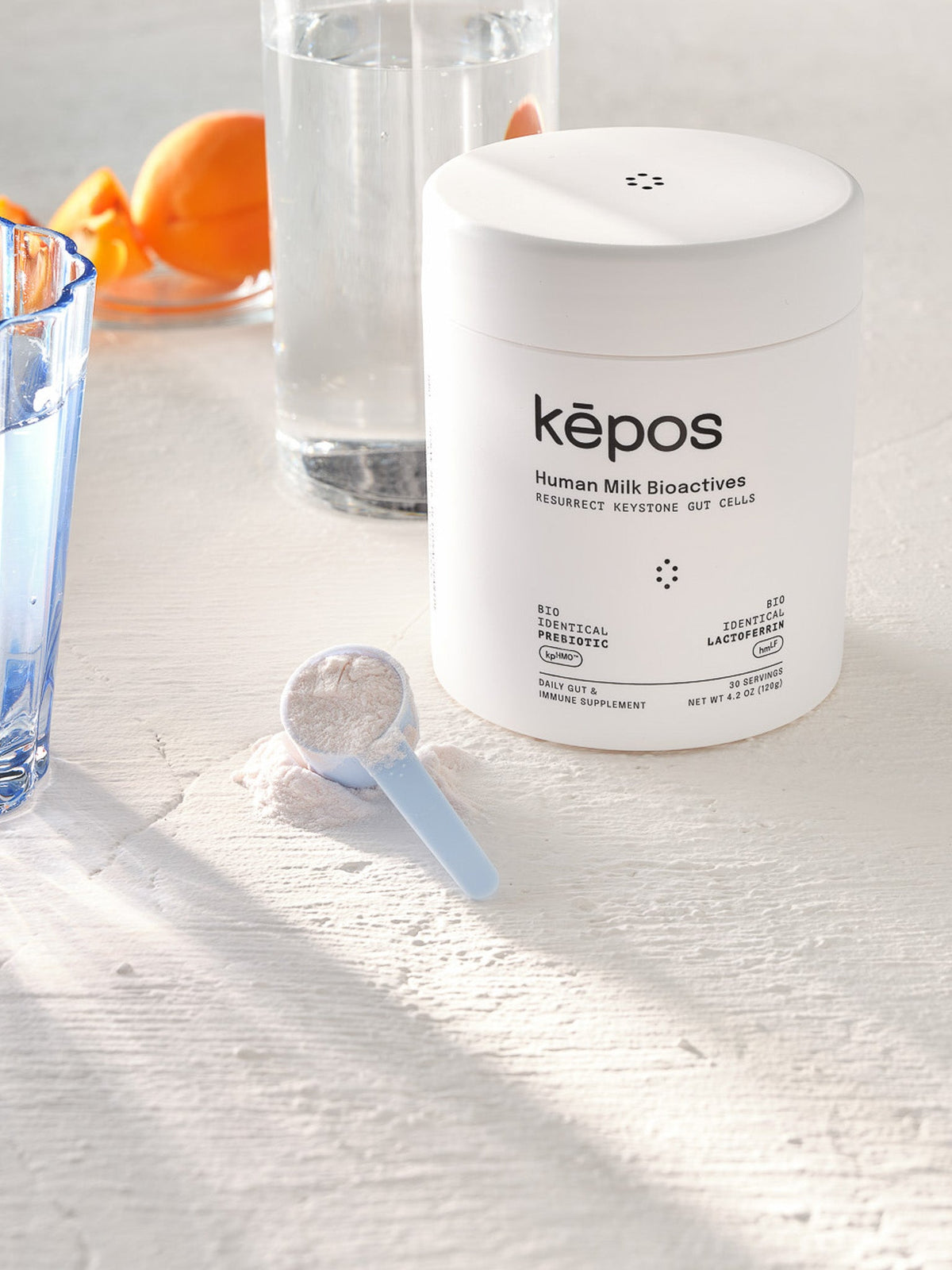
What if there was a way to support your iron levels while also nurturing your gut health? This is where the science of human milk bioactives comes in, offering a sophisticated and gentle approach. At kēpos, we focus on two remarkable ingredients that are bio-identical to those found in human milk: effera™ human milk lactoferrin (hmLF) and Human Milk Oligosaccharides (HMOs).
effera™ Human Lactoferrin: Superior Iron Absorption Without the Side Effects
Lactoferrin is a protein that binds to iron and transports it in the body. While it's found in cow's milk (bovine lactoferrin), the human version is structurally different and far more effective for us.
effera™ is a pure, bio-identical human milk lactoferrin. Because it's recognized by the body as "self," it offers several advantages over bovine lactoferrin, which can be seen as a foreign substance, potentially triggering an immune response. A 2024 clinical trial on effera™ in Sage Journals showed that bovine lactoferrin caused a significant increase in antibodies, while effera™ did not, confirming it is safe and non-immunogenic.
This is how effera™ human lactoferrin provides superior iron support:
-
Efficient and Gentle Delivery: It binds iron and delivers it directly to your intestinal cells where it's needed, improving absorption and avoiding the gut irritation common with traditional iron pills.
-
Gut Health Guardian: By binding to free iron in the gut, lactoferrin prevents it from feeding harmful bacteria, thus promoting a healthier microbial balance.
-
Systemic Iron Regulation: It helps regulate the body's overall iron distribution by influencing key proteins like hepcidin and ferroportin, ensuring iron gets where it needs to go.
For new mothers dealing with postpartum anemia, or anyone struggling with iron deficiency, effera™ offers a smarter, more natural way to replenish iron stores.
Human Milk Oligosaccharides (HMOs): The Ultimate Prebiotic for a Happy Gut
HMOs are special prebiotics that are abundant in human milk. They are not just food for your good gut bacteria; they actively shape a healthy gut environment. They selectively feed beneficial bacteria like Bifidobacterium, helping them thrive. A gut rich in these good bacteria is better at fighting off pathogens and maintaining a strong intestinal barrier.
Research in Clincal and Translational Gastroenterology Journal has shown that HMOs can lead to significant improvements in gut health. A 2020 study on adults with IBS found that a supplement with an HMO mix led to a dramatic decrease in gut symptoms and an improved quality of life. By strengthening the gut lining and reducing inflammation, HMOs create the ideal conditions for your body to absorb nutrients effectively. Further studies confirm that HMOs effectively modulate gut microbiota, creating a healthier environment that is fundamental for nutrient absorption, including the iron delivered by lactoferrin.
The combination of effera™ human milk lactoferrin and HMOs, as found in kēpos's Human Milk-Equivalent Superfood, offers a powerful one-two punch. It's a holistic approach that doesn't just aim to increase your iron numbers, but also to fix the underlying gut issues that may have contributed to the deficiency in the first place.
How Long to Restore Low Iron Levels?
One of the most pressing questions people have is how long to restore low iron levels. The timeline can vary depending on several factors, including the severity of your deficiency and the treatment method. It's important to understand how long does it take to restore iron levels.
With traditional oral iron supplements, you might start to feel better in 2-4 weeks, but it can take 4-8 weeks for your hemoglobin levels to normalize. However, fully replenishing your body's iron stores (ferritin levels) can take much longer, typically 3 to 6 months of consistent supplementation.
For those with severe deficiency or absorption issues, doctors may recommend intravenous (IV) iron, which works much faster. This addresses the question of how quickly can iron levels be restored, often improving hemoglobin within 1-2 weeks.
The key takeaway is that restoring iron levels is a marathon, not a sprint. Consistency is crucial, as is choosing a method that your body can tolerate well. An approach that supports gut health, like using a supplement with effera™ human milk lactoferrin and HMOs, may help make the process smoother and more effective long-term.
Key Takeaways
-
Iron deficiency can cause fatigue, weakness, and shortness of breath.
-
Restoring iron involves diet, vitamin C for absorption, and sometimes supplements.
-
Standard iron supplements can cause gut issues and may not be well-absorbed if gut health is poor.
-
A healthy gut is essential for proper iron absorption.
-
effera™ human milk lactoferrin offers a gentle and highly effective way to increase iron levels without the side effects.
-
Human Milk Oligosaccharides (HMOs) improve gut health, creating the ideal environment for iron absorption.
-
Combining effera™ and HMOs, as in kēpos products, is the best way to restore iron levels by tackling both the deficiency and its root causes in the gut.
Frequently Asked Questions
1. What are the first signs of iron pills working?
You may start to notice an improvement in your energy levels and a reduction in fatigue within the first few weeks of starting iron supplements. Some people report feeling better in as little as 14 days, though for many it can take longer. Your doctor will monitor your progress with blood tests to see if your hemoglobin levels are rising.
2. Can I raise my iron levels in a week?
It's highly unlikely to fully restore your iron levels in just one week. While you can start the process by immediately changing your diet and starting supplements, it takes time for your body to produce new red blood cells and replenish its iron stores. IV iron therapy is the fastest method for a significant boost, but even that requires time for the body to utilize the iron.
3. What foods should I avoid when trying to increase iron?
To maximize iron absorption, it's best to avoid consuming these items at the same time as your iron-rich meals or supplements:
-
Coffee and tea
-
Dairy products
-
Foods high in calcium
-
High-fiber foods
4. How can I get my iron levels up without supplements?
You can focus on a diet rich in both heme and non-heme iron sources. However, for a diagnosed deficiency, diet alone is often not enough to restore levels quickly and supplementation may be necessary. Key strategies include:
-
Eating lean red meat, poultry, and fish.
-
Consuming plenty of lentils, beans, tofu, and spinach.
-
Always pairing iron-rich foods with a source of vitamin C.
-
Cooking with cast-iron cookware can also add some iron to your food.
5. How quickly can iron levels be restored?
The speed of restoration depends on the method and the severity of the deficiency.
-
Oral Supplements: It typically takes 4-8 weeks for hemoglobin levels to normalize and 3-6 months to fully replenish iron stores (ferritin).
-
IV Iron: Can normalize hemoglobin within 1-2 weeks and ferritin within 4-8 weeks.
-
Diet Alone: This is the slowest method, potentially taking 6-12 months or longer to correct a deficiency.