


🔑 Key Takeaways
- Human milk oligosaccharides (HMOs) are the third most abundant component in breast milk—now available for adults through precision fermentation
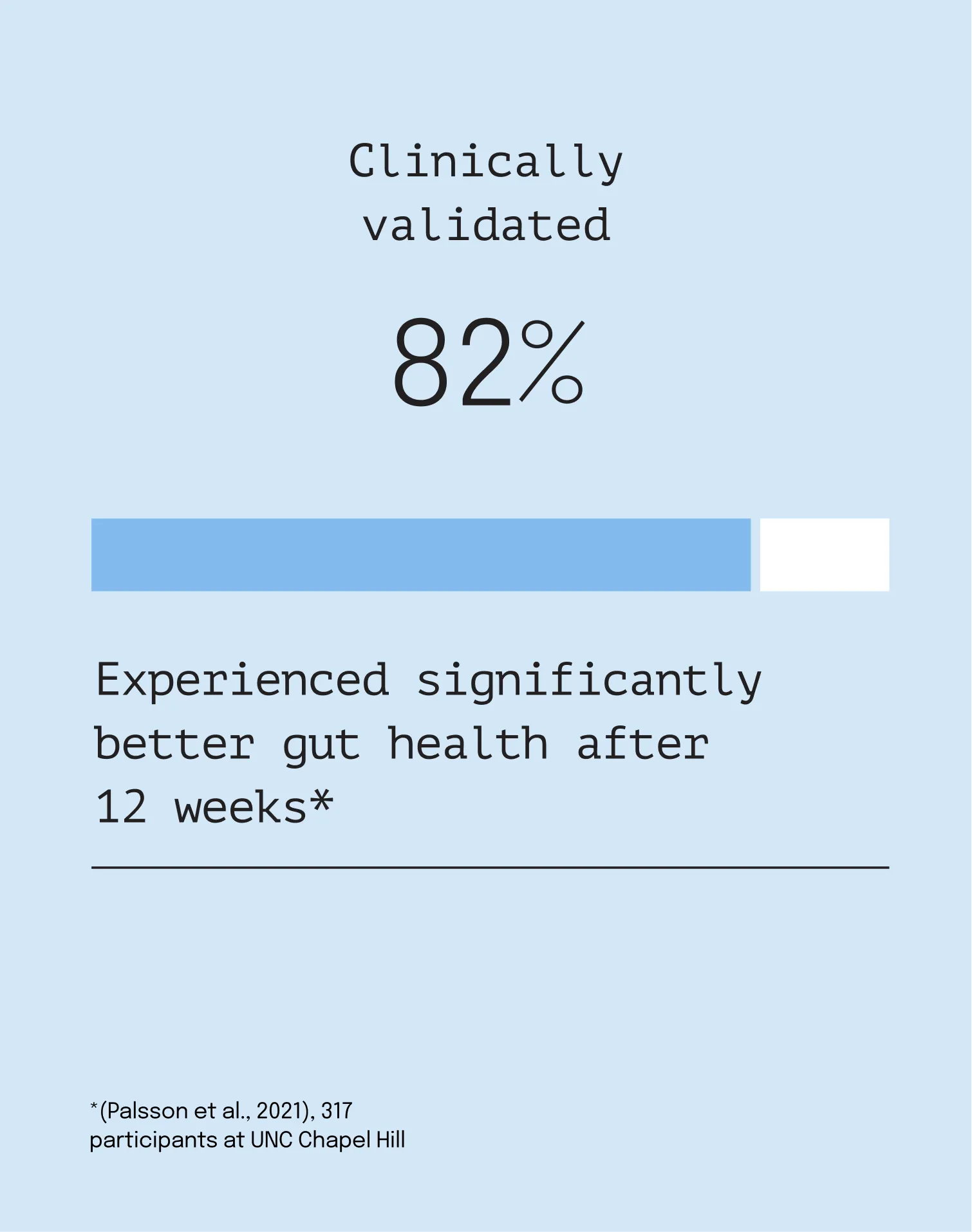
- Clinical trials with 317 IBS patients show 55% symptom reduction and abnormal stools decreased from 90.7% to 57.2% (PMID: 33512807)
- 77% of adults see bifidobacteria increases within just 1-2 weeks of HMO supplementation (PMID: 27719686)
- Unlike FOS and inulin, HMOs selectively feed beneficial bacteria without causing gas or bloating
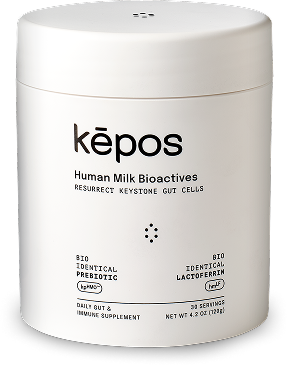
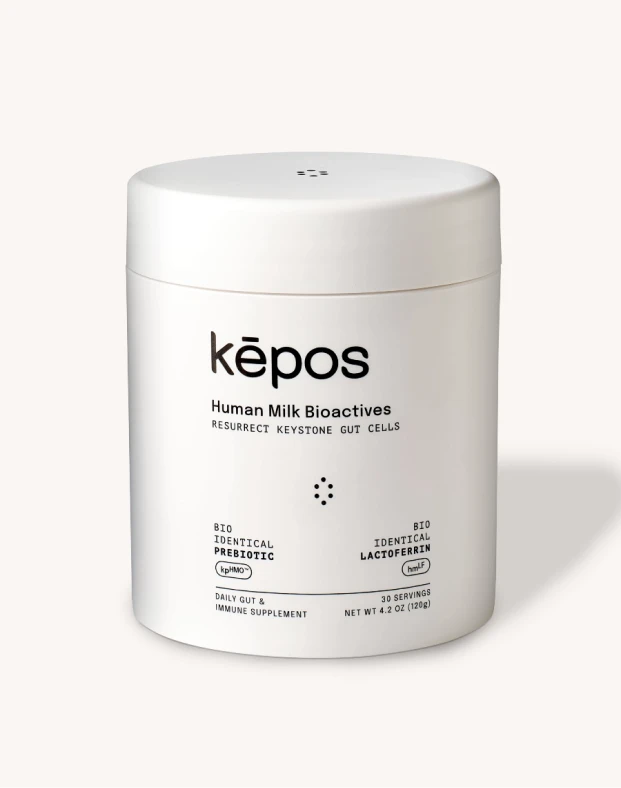
- kēpos combines HMOs with eferra™ human lactoferrin for comprehensive gut-immune support
If you've struggled with digestive issues, bloating, or irregular bowel habits, you're not alone. Millions of adults face these challenges daily, often finding limited relief from conventional solutions. But science has uncovered something remarkable: human milk oligosaccharides (HMOs)—the same bioactive compounds that protect infant gut health—can transform adult digestive wellness too.
These aren't just another trendy supplement. They're the third most abundant solid component in breast milk, produced through precision fermentation to be 94%+ pharma-grade pure. Here are 7 powerful, research-backed ways HMOs may support your digestive health.
1. Selectively Feeds Beneficial Bifidobacteria
Unlike traditional prebiotics that feed both helpful and harmful bacteria indiscriminately, HMOs are precision-targeted to nourish Bifidobacterium species—the cornerstone of a healthy gut microbiome.
A randomized controlled trial with 100 healthy adults found that HMO supplementation (2'-FL and LNnT) produced significant increases in beneficial bacteria within just 1-2 weeks. Remarkably, 77% of participants showed measurable bifidobacteria growth, with the changes detectable at doses as low as 5g daily (PMID: 27719686).
This selectivity matters because traditional prebiotics like inulin and FOS can cause uncomfortable gas and bloating by feeding a broad range of gut bacteria. HMOs avoid this problem entirely—they're designed by nature to selectively support the bacteria you want.
2. Dramatically Supports IBS Symptom Relief
For the millions suffering from irritable bowel syndrome, HMOs offer genuine hope backed by substantial clinical evidence.
In a multicenter clinical trial with 317 IBS patients, supplementation with 5g of HMOs daily produced remarkable results (PMID: 33512807):
- 55% reduction in IBS Symptom Severity Score (from 323 to 144)
- Abnormal stools decreased from 90.7% to 57.2%
- Quality of life improved from 50.4 to 74.6
- Benefits occurred across all IBS subtypes (IBS-C, IBS-D, and IBS-M)
- Most symptom improvements appeared within the first 4 weeks
These results are particularly meaningful because the improvements were consistent regardless of whether patients had constipation-dominant, diarrhea-dominant, or mixed IBS patterns.
3. Strengthens Your Gut Barrier (Supports "Leaky Gut")
Your intestinal lining serves as a critical barrier between your gut contents and bloodstream. When this barrier weakens—often called "leaky gut"—it may contribute to inflammation and digestive discomfort.
Research using advanced gut models demonstrates that HMOs promote gut barrier integrity through multiple mechanisms (PMID: 32933181):
- Upregulated claudin-5 expression—a key tight junction protein
- Increased butyrate production—a short-chain fatty acid that nourishes intestinal cells
- Reduced inflammation markers including IL-6
- Enhanced mucus layer protection
When combined with eferra™ human lactoferrin—as found in kēpos supplements—this barrier support becomes even more comprehensive.
4. Acts as Natural Pathogen Defense
HMOs possess a unique ability that no other prebiotic can match: they act as molecular decoys for harmful pathogens.
Here's how it works: Many harmful bacteria and viruses need to attach to specific sugar structures on your gut cells to cause infection. HMOs mimic these structures, so pathogens bind to the HMOs instead of your gut lining—then get safely eliminated from your body.
This pathogen-blocking function has been documented for various harmful organisms, providing an additional layer of protection beyond simply feeding beneficial bacteria. It's one reason why breastfed infants have historically shown greater resistance to infections.
5. Promotes Healthy Inflammation Response
Chronic low-grade inflammation in the gut may contribute to digestive discomfort and systemic health issues. HMOs have demonstrated anti-inflammatory properties through several pathways:
- Reduced pro-inflammatory cytokines including IL-6 and TNF-α
- Increased anti-inflammatory markers including IL-10 and TGF-β (PMID: 37652940)
- Enhanced production of short-chain fatty acids with anti-inflammatory effects
- Support for balanced immune responses without overstimulation
This inflammation modulation may explain why HMOs help with conditions ranging from IBS to general digestive discomfort.
6. Supports Gut-Brain Axis Communication
Your gut and brain communicate constantly through what scientists call the gut-brain axis. An unhealthy gut microbiome may affect mood, cognition, and stress responses.
By promoting a healthy bifidobacteria-dominant microbiome, HMOs support this critical communication pathway. Research shows HMOs may enhance production of:
- Neurotransmitter precursors including serotonin and GABA
- Brain-derived neurotrophic factor (BDNF)—important for cognitive function
- Short-chain fatty acids that influence brain function through the vagus nerve
While more research is needed on cognitive effects specifically, the gut-brain connection means improving digestive health often supports overall well-being.
7. Works Without Uncomfortable Side Effects
Perhaps the most practical benefit: HMOs are exceptionally well-tolerated.
Clinical trials consistently show HMOs cause minimal digestive discomfort, even at high doses. The study with 100 healthy adults found supplementation was safe and well-tolerated at doses up to 20g daily—far above typical supplement amounts (PMID: 27719686).
This stands in stark contrast to traditional prebiotics like inulin, which commonly cause gas, bloating, and cramping. The reason? HMOs are selectively fermented only by beneficial bacteria, avoiding the excessive gas production that occurs when prebiotics feed broad bacterial populations.
Why kēpos Delivers Superior Results
As the first company to commercialize human milk bioactives for adult supplementation, kēpos offers distinct advantages:
- Bio-identical HMOs produced through precision fermentation at 94%+ pharma-grade purity
- Eferra™ human lactoferrin—the only recombinant human lactoferrin clinically shown to avoid triggering antibody responses seen with bovine lactoferrin
- University of Chicago partnership and collaboration with leading microbiome researchers
- Lactose-free formulation with reduced allergenicity (consult healthcare provider for severe dairy allergies)
- Founded by IBS sufferers who understand the condition firsthand
How to Get Started with HMO Supplementation
Recommended Protocol
- Week 1: Start with 2.5g daily to allow your microbiome to adjust
- Week 2+: Increase to 5g daily (standard dose)
- Optional: May increase to 10g daily for enhanced benefits
What to Expect
- Weeks 1-2: Initial microbiome shifts begin—some may notice subtle changes
- Week 4: Significant increases in beneficial bacteria typically measurable
- Weeks 8-12: Full symptom improvement potential realized for most users
kēpos HMO supplements work synergistically with probiotics (for enhanced colonization), digestive enzymes, vitamin D (for immune support), and iron supplements (eferra™ enhances absorption).
Key Takeaways
✓ HMO prebiotics are bio-identical compounds that selectively feed beneficial bacteria without feeding harmful ones
✓ Clinical studies show 55% IBS symptom reduction within 12 weeks (PMID: 33512807)
✓ 77% of adults show bifidobacteria increases within 1-2 weeks
✓ Eferra™ human lactoferrin provides unique immune support without the antibody issues of bovine lactoferrin
✓ kēpos supplements offer university-backed, research-proven digestive wellness
Frequently Asked Questions
1. Are there any side effects from HMO supplements?
Clinical trials consistently show HMO prebiotics are exceptionally well-tolerated, with no serious adverse events reported. Some users may experience mild digestive changes initially as their microbiome adjusts, but these are typically minimal compared to traditional fiber prebiotics like inulin.
2. How long before I see HMO prebiotic benefits?
Most users experience initial improvements within 2-4 weeks. Research shows measurable microbiome changes occur within 1-2 weeks, with significant symptom improvements continuing through 12 weeks of supplementation. The 317-patient IBS trial noted most improvements appeared in the first 4 weeks.
3. Can I take HMO supplements if I have IBS?
Yes, HMOs are specifically beneficial for IBS. The multicenter clinical trial with 317 IBS patients showed significant symptom reduction across all IBS subtypes without worsening digestive issues. The selective fermentation means less gas and bloating compared to traditional prebiotics.
4. What's the difference between HMOs and probiotics?
HMOs are prebiotics that feed beneficial bacteria already in your gut, while probiotics add new bacteria. HMOs create an environment where your existing beneficial bacteria can thrive naturally—a more sustainable approach to gut health that works synergistically with probiotic supplements.
5. Is eferra™ human lactoferrin different from bovine lactoferrin?
Yes, eferra™ is bio-identical to human lactoferrin and doesn't trigger the antibody response seen with bovine lactoferrin. Studies show bovine lactoferrin can cause antibody levels to triple, potentially reducing effectiveness over time—a problem eferra™ avoids entirely.
6. Are kēpos supplements safe for people with lactose intolerance?
Yes, kēpos supplements are lactose-free and safe for those with lactose intolerance. Those with severe dairy allergies should note the product has reduced allergenicity but may contain trace dairy residues—consult your healthcare provider if you have concerns.
7. How are kēpos HMOs produced?
kēpos uses precision fermentation technology to produce bio-identical HMOs at 94%+ pharma-grade purity. This process creates compounds structurally identical to those found in human breast milk, without involving human milk collection.