

Key Takeaways
- Gut health improvements begin within 3-7 days of dietary changes, with noticeable shifts in microbiome composition.
- Human milk oligosaccharides (HMOs) increase beneficial Bifidobacterium levels within just 3 weeks, according to a Stanford University clinical trial, outpacing many traditional prebiotics.
- Full gut microbiome remodeling typically takes 3-6 months, though HMO supplementation shows metabolic benefits as early as 6 weeks.
- Individual response varies based on baseline microbiome composition, diet quality, and lifestyle factors.
- Kēpos HMO supplements provide a science-backed pathway to faster gut health improvements compared to probiotics alone.
If you've just started a gut health journey, you're probably wondering: how long until I actually feel better? The answer is more encouraging than you might think—and the right supplements can dramatically accelerate your results.
Understanding the timeline for gut health improvement helps you set realistic expectations and choose the most effective interventions. Recent clinical research reveals that gut microbiome changes begin within days, but the full transformation unfolds over weeks to months. The key is knowing which interventions work fastest.
How Quickly Does the Gut Microbiome Respond to Change?
Your gut microbiome is remarkably dynamic. A comprehensive review published in Current Opinion in Microbiology found that the gut microbiome can shift within 1-7 days in response to dietary changes, antibiotics, or other perturbations.
However, there's a crucial distinction between initial changes and meaningful health improvements. While bacterial populations start shifting almost immediately, the downstream effects on inflammation, digestion, and overall wellness take longer to manifest.
Here's the timeline breakdown:
- Days 1-7: Initial microbiome composition shifts begin
- Weeks 2-4: Beneficial bacteria populations increase; digestive symptoms may start improving
- Weeks 6-12: Metabolic markers improve; inflammation decreases; immune function strengthens
- Months 3-6: Full gut microbiome remodeling; sustained health improvements
The speed of improvement depends heavily on what you're doing to support gut health. This is where human milk oligosaccharides (HMOs) demonstrate a clear advantage.
Why HMOs Work Faster Than Traditional Probiotics
A groundbreaking 2025 randomized controlled trial from Stanford University published in Cell Reports Medicine reveals why HMOs are game-changers for gut health. The study tracked 89 healthy older adults (mean age 67.3 years) who consumed 2'-fucosyllactose (2'-FL), the most abundant HMO in human breast milk.
The results were impressive:
- By week 3: Bifidobacterium levels increased significantly in the high-dose group (9.7% relative abundance vs. 3.5% in placebo)
- By week 6: HDL cholesterol increased by 6%, fasting insulin rose by 23.6% (indicating improved metabolic response), and FGF21 hormone elevated significantly
- Cognitive benefits: Participants whose Bifidobacterium increased ("responders") showed improved visual memory on cognitive tests
Why do HMOs work so efficiently? Unlike generic fiber or probiotics, HMOs are precision prebiotics. They selectively feed beneficial bacteria—especially Bifidobacterium species—that are equipped with specialized enzymes to metabolize these complex carbohydrates. Traditional probiotics often fail to engraft in adult guts, but HMOs feed the beneficial bacteria you already have, allowing them to flourish.
The Stanford study also found that HMOs entered systemic circulation, suggesting both microbiome-dependent and direct metabolic effects. This dual mechanism explains their rapid efficacy.
Learn more about the science behind kēpos HMO supplements.
What Factors Influence Your Personal Timeline?
While research provides general timelines, your individual gut health journey depends on several factors:
1. Baseline Microbiome Composition
The Stanford HMO study found that 93.3% of "responders" already had Bifidobacterium present at baseline, compared to only 58.6% of non-responders. If your gut lacks key beneficial bacteria, introducing them through targeted prebiotics or synbiotics (prebiotics + probiotics) may be necessary first.
2. Diet Quality
A review of gut microbiome dynamics notes that diet changes can alter gut composition within 24 hours, but long-term dietary patterns matter most. A diet rich in diverse fiber sources, fermented foods, and polyphenols supports sustained gut health improvements.
3. Antibiotic History
Recent antibiotic use can disrupt microbiome recovery. Some individuals never fully recover their pre-antibiotic diversity without targeted intervention. HMOs and fermented foods can help accelerate recovery post-antibiotics.
4. Stress and Sleep
Chronic stress and poor sleep disrupt gut-brain axis signaling and can slow microbiome improvements. Addressing these factors alongside nutritional interventions optimizes results.
How Kēpos HMOs Accelerate Your Gut Health Journey
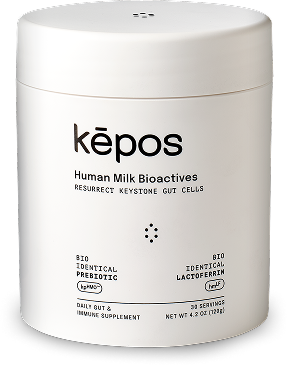
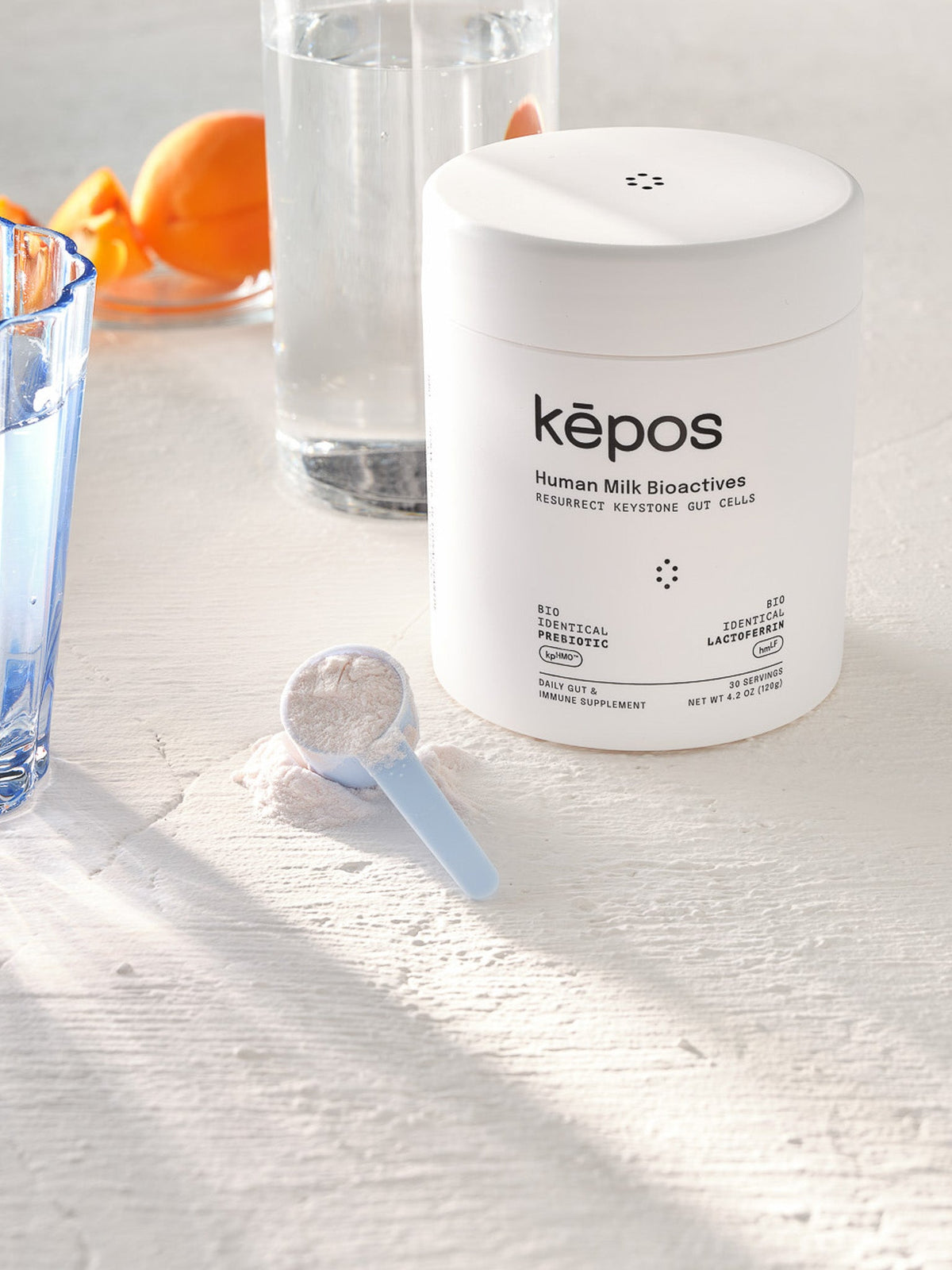
Kēpos harnesses the power of HMOs and recombinant human lactoferrin (rhLF) to deliver faster, more targeted gut health improvements than probiotics or generic fiber supplements.
Here's why kēpos stands out:
- Clinically-backed HMO dosing: Our formulations use the same 2'-FL HMO shown in Stanford research to increase Bifidobacterium within 3 weeks
- Eferra™ recombinant human lactoferrin: Works synergistically with HMOs to support immune function, reduce inflammation, and promote beneficial bacteria
- Next-generation prebiotics: Unlike inulin or FOS that can cause bloating, HMOs are well-tolerated and selectively feed beneficial strains
- No refrigeration required: Stable, convenient, and travel-friendly
Most kēpos users report digestive comfort improvements within 2-3 weeks, with sustained benefits building over 2-3 months of consistent use.
Explore kēpos HMO supplements to start your gut health transformation today.
Setting Realistic Expectations for Gut Health Improvements
The research is clear: gut health improvement is a process, not a one-time fix. Here's what to expect at each stage:
- Week 1-2: You may notice slight changes in digestion, bowel regularity, or energy. These early signs indicate your microbiome is responding.
- Week 3-6: Beneficial bacteria populations increase. Bloating, gas, and digestive discomfort often decrease. Skin clarity may improve.
- Month 2-3: Immune function strengthens. Mood and mental clarity may improve (via the gut-brain axis). Metabolic markers like cholesterol and blood sugar begin optimizing.
- Month 3-6: Full microbiome remodeling occurs. Long-term health benefits solidify, including reduced systemic inflammation and enhanced nutrient absorption.
Consistency is key. Daily supplementation with HMOs, combined with a whole-foods diet and healthy lifestyle habits, yields the fastest and most sustainable results.
Frequently Asked Questions
How long does it take for probiotics to work compared to HMOs?
Traditional probiotics can take 4-12 weeks to show benefits, and many strains fail to colonize the adult gut. HMOs, by contrast, begin increasing beneficial bacteria like Bifidobacterium within 3 weeks by feeding your existing gut flora. HMOs offer a more reliable and faster pathway to gut health improvement.
Can I speed up gut health improvement?
Yes! Combining HMO supplementation with a diverse, fiber-rich diet, fermented foods, stress management, and adequate sleep accelerates results. Avoid unnecessary antibiotics, limit processed foods, and stay hydrated to optimize your gut environment.
What if I don't see improvements after a few weeks?
Individual responses vary. The Stanford study found that people lacking baseline Bifidobacterium responded more slowly. Consider increasing your HMO dose, adding a synbiotic (HMO + probiotic), or consulting a healthcare provider to rule out underlying issues like SIBO or IBS.
Are HMOs safe for long-term use?
Yes. The Stanford study showed that HMOs were well-tolerated with no adverse effects at doses up to 5 grams daily for 6 weeks. HMOs are naturally present in human breast milk and are considered safe for ongoing use. Kēpos formulations use clinically-tested dosages.
How do I know if my gut health is improving?
Signs of gut health improvement include: regular, comfortable bowel movements; reduced bloating and gas; improved energy and mood; clearer skin; fewer food sensitivities; and better immune function (fewer colds/infections). If you want objective data, consider a gut microbiome test before and after 3 months of intervention.
Ready to accelerate your gut health transformation? Discover kēpos HMO supplements and experience the next generation of gut health science.
Written by Oliver Drazsky | Published January 28, 2026