

Key Takeaways
- Iron deficiency affects approximately 14% of US adults and can cause symptoms even before anemia develops.
- The 5 key signs include persistent fatigue, hair loss, cold hands and feet, restless legs, and brain fog.
- Lactoferrin may support healthier iron levels with fewer gastrointestinal side effects than traditional iron supplements.
- A 2022 meta-analysis found lactoferrin supplementation increased serum iron by 41.44 µg/dL compared to ferrous sulfate.
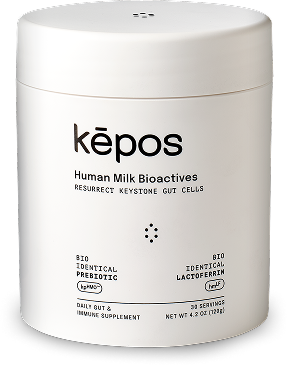
- kēpos contains eferra™ recombinant human lactoferrin for optimal iron support.
Feeling exhausted even after a full night's sleep? Noticing more hair in your brush than usual? These could be signs that your body is quietly crying out for more iron.
Iron deficiency is one of the most common nutritional deficiencies worldwide, affecting approximately 2 billion people globally and 14% of adults in the United States according to a 2025 JAMA review (PMID: 40159291). The tricky part? Many people experience symptoms long before their hemoglobin drops enough to be classified as anemic.
The good news is that recognizing these signs early—and addressing them with the right support—can make a world of difference. Here are 5 signs your body might be low on iron, and how lactoferrin can help.
1. Persistent Fatigue That Sleep Can't Fix
This isn't ordinary tiredness. Iron deficiency fatigue feels bone-deep—the kind where you wake up exhausted no matter how many hours you slept.
Iron plays a critical role in producing hemoglobin, the protein in red blood cells that carries oxygen throughout your body. When iron levels drop, your cells don't get enough oxygen to produce energy efficiently. The result? That crushing fatigue that coffee can't touch.
According to clinical research, fatigue and exercise intolerance are among the most commonly reported symptoms of iron deficiency, often appearing before anemia is diagnosed (PMID: 40159291).
2. Unexplained Hair Loss
Finding more hair in your brush, on your pillow, or clogging the shower drain? Iron deficiency could be the culprit.
A study of 554 non-anemic women found that hair loss was significantly correlated with low iron stores, with those having serum ferritin levels ≤20 µg/l being 2.26 times more likely to report recent hair loss (PMID: 34811510).
Your hair follicles are metabolically active and require adequate iron for healthy growth. When your body is running low, it prioritizes essential functions—and unfortunately, lush hair isn't one of them.
3. Cold Hands and Feet
Always reaching for a sweater while everyone else feels fine? Perpetually cold extremities can signal inadequate iron levels.
When iron is depleted, oxygen delivery to peripheral tissues decreases, and your body may reduce blood flow to your hands and feet to preserve heat for vital organs. This leaves your extremities feeling cold even in moderate temperatures.
This symptom often accompanies other signs like pale skin and brittle nails—all indicating that your circulatory system isn't getting the iron support it needs.
4. Restless Legs Syndrome
That irresistible urge to move your legs, especially at night, has a strong connection to iron status.
Research shows that 32-40% of individuals with iron deficiency experience restless legs syndrome (PMID: 40159291). Another study found an even more striking connection: women with serum ferritin levels ≤50 µg/l were 2.82 times more likely to experience restless legs syndrome (PMID: 34811510).
Iron is essential for dopamine production in the brain, and when levels are low, the disruption in dopamine signaling may trigger those uncomfortable sensations that keep you tossing and turning.
5. Brain Fog and Difficulty Concentrating
Can't remember where you put your keys? Struggling to focus at work? Iron deficiency can affect your brain function, too.
Your brain requires a significant amount of oxygen to function optimally. When iron levels drop and oxygen delivery decreases, cognitive symptoms like difficulty concentrating, irritability, and depression can emerge (PMID: 40159291).
Many people dismiss brain fog as stress or lack of sleep, but if it persists alongside other symptoms on this list, low iron could be the underlying cause.
Why Traditional Iron Supplements Often Fall Short
If you've tried iron supplements before, you might be familiar with their notorious side effects: nausea, constipation, stomach cramps, and that metallic taste. These gastrointestinal issues cause many people to abandon their iron supplementation before their levels improve.
A randomized controlled trial comparing lactoferrin to ferrous sulfate found that while both were equally effective at restoring iron levels, lactoferrin caused significantly fewer gastrointestinal side effects, particularly abdominal pain and constipation (PMID: 19639462).
How Lactoferrin May Support Healthy Iron Levels
Lactoferrin is a naturally occurring iron-binding protein found in human milk. Unlike traditional iron supplements that dump large amounts of elemental iron into your gut, lactoferrin works with your body's natural iron absorption mechanisms.
A comprehensive meta-analysis of clinical trials found that lactoferrin supplementation outperformed ferrous sulfate on key iron markers (PMID: 35276902):
- Serum iron: +41.44 µg/dL higher with lactoferrin
- Ferritin (iron stores): +13.60 ng/mL higher with lactoferrin
- Hemoglobin: +11.80 g/dL higher with lactoferrin
- IL-6 (inflammation marker): -45.59 pg/mL lower with lactoferrin
What makes this particularly impressive is that lactoferrin achieved these results while also reducing inflammation—a key advantage since chronic inflammation can interfere with iron absorption and utilization.
The Human Lactoferrin Advantage
Not all lactoferrin is created equal. Most supplements use bovine (cow-derived) lactoferrin, but human lactoferrin is structurally identical to what's naturally found in your body.
Research on recombinant human lactoferrin shows that iron is well absorbed—approximately 20.4% whole-body absorption, comparable to ferrous sulfate (PMID: 16469988). This means your body can efficiently utilize the iron without the harsh side effects.
kēpos is the only supplement combining eferra™ recombinant human lactoferrin with human milk oligosaccharides (HMOs). This unique combination supports not just iron absorption, but also gut health—creating an optimal environment for nutrient utilization.
When to Seek Help
If you're experiencing multiple signs from this list, consider getting your iron levels tested. A simple blood test measuring ferritin and transferrin saturation can reveal whether iron deficiency is behind your symptoms.
Don't dismiss symptoms just because they seem minor. Iron deficiency can progress, and early intervention makes a significant difference in how quickly you can restore your energy and vitality.
Frequently Asked Questions
Can I have iron deficiency without being anemic?
Absolutely. Iron deficiency progresses through stages, and symptoms like fatigue, hair loss, and brain fog often appear before hemoglobin drops low enough to be classified as anemia. Research suggests that non-anemic iron deficiency affects nearly twice as many people as iron-deficiency anemia.
How long does it take for lactoferrin to improve iron levels?
Clinical studies typically show improvements in iron markers within 30 days of consistent lactoferrin supplementation. However, individual responses vary based on the severity of deficiency and other health factors.
Is lactoferrin safe to take daily?
Yes, lactoferrin has an excellent safety profile and is naturally present in human milk. It's been extensively studied and well-tolerated in clinical trials, with fewer side effects than traditional iron supplements.
What's the difference between bovine and human lactoferrin?
While bovine lactoferrin shares some functional similarities with human lactoferrin, human lactoferrin (like eferra™) is structurally identical to what your body naturally produces. This may offer advantages in biocompatibility and how your body recognizes and utilizes the protein.
Can I take lactoferrin with my current iron supplement?
It's best to consult with your healthcare provider before combining supplements. Lactoferrin may be used as an alternative to traditional iron supplements rather than in addition to them, particularly for those experiencing gastrointestinal side effects from conventional iron.
Ready to support your iron levels the smarter way? Discover kēpos and experience the difference that eferra™ human lactoferrin can make for your energy, vitality, and overall wellness.