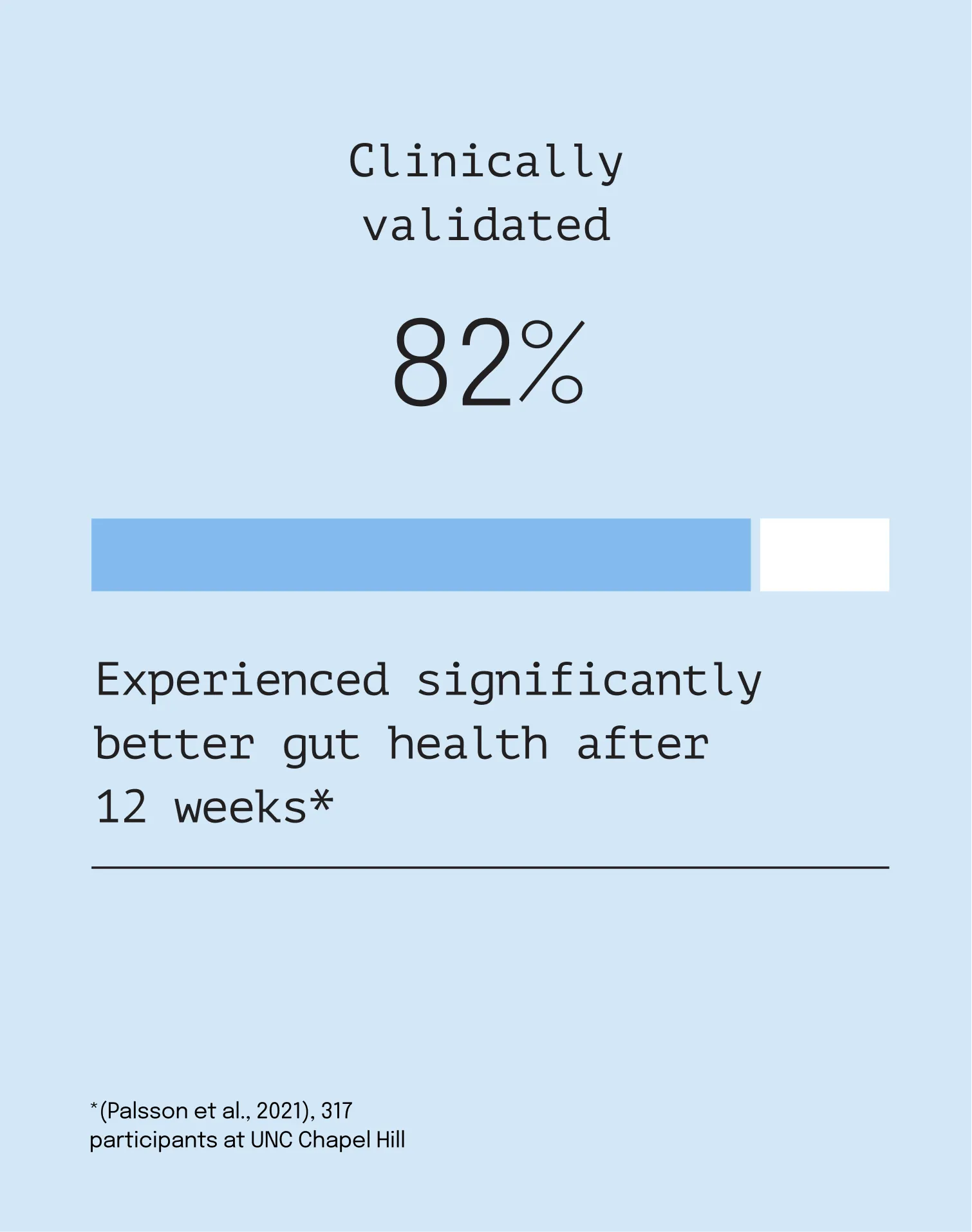



- Immunosenescence, the natural aging of the immune system, blunts antibody and T cell responses to inactivated flu vaccines. This was directly measured in a randomized trial comparing adults 18 to 35 against adults 60 and older (PMID 42228420).
- Baseline, low-grade inflammation ("inflammaging") negatively correlates with how well older adults respond to vaccination, meaning the immune system's background noise gets in the way of learning something new.
- A Mendelian randomization study found specific gut bacteria causally linked to anti-influenza antibody levels, with the effect partly carried by blood metabolites (PMID 40898564).
- Bifidobacterium abundance, a genus that tends to decline with age, is associated with stronger vaccine immunogenicity across human evidence reviews (PMID 40884514).
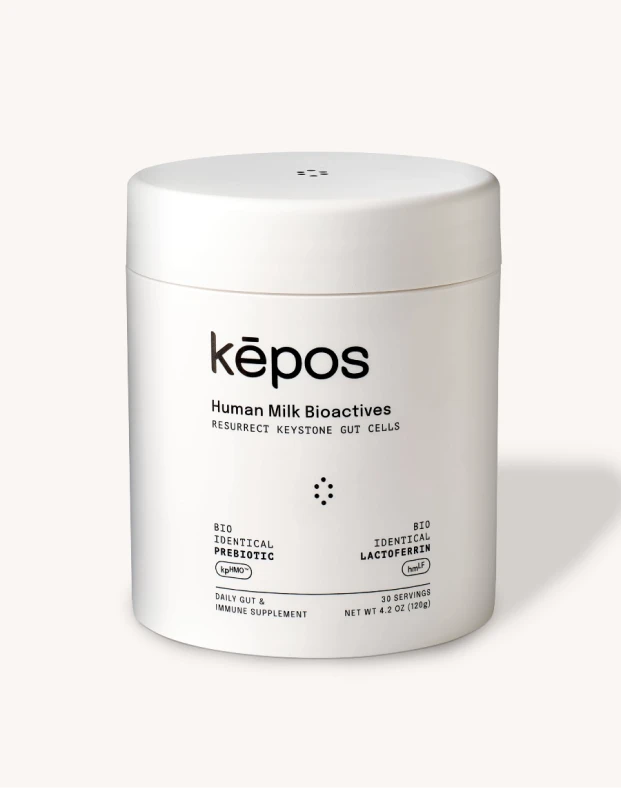
- A 6-week RCT in older adults found that HMO supplementation increased gut Bifidobacterium levels, the same genus tied to vaccine response in the research above (PMID 40738103). kpHMO™, a prebiotic originally discovered in human milk and recreated through Japanese fermentation, is designed and owned exclusively by kēpos to feed this same bacterial ecosystem.
Every fall, the same advice repeats: get your flu shot. But if you are over 60, that advice comes with an asterisk nobody mentions at the pharmacy counter. The vaccine you are about to receive will likely generate a weaker, shorter-lived antibody response than the one your 30-year-old self would have mounted from the identical dose. This is not a flaw in the vaccine. It is a flaw, or more accurately a predictable shift, in the aging immune system itself, and a growing body of research says your gut is one of the places driving that shift.
Below are seven reasons flu shots lose potency with age, backed by verified research, and what the emerging gut-immune science suggests you can actually do about it.
1. Your Immune System Ages Along With Everything Else
The direct answer: a well-documented process called immunosenescence reduces the antibody and T cell response your body mounts after a flu shot, and this decline is measurable, not theoretical.
A 2026 randomized, partially placebo-controlled trial from Radboud University Medical Center compared young adults (18 to 35) against older adults (60 and up) receiving the same inactivated quadrivalent influenza vaccine. The inactivated flu vaccine increased antibody responses in both groups, but induced far fewer antigen-specific CD4+ T cells and no rise in interferon-gamma from immune cells, a signal of a weaker, less coordinated immune response overall (PMID 42228420). Interestingly, the same study found a different vaccine platform (an adjuvanted shingles vaccine) triggered robust T cell responses in both age groups, suggesting the aging immune system is not simply "broken," it just responds differently depending on how it's asked to respond.
2. Background Inflammation Is Quietly Working Against You
The direct answer: older adults tend to run a low, chronic level of background inflammation, often called "inflammaging," and this baseline inflammation is negatively correlated with how well the body builds antibodies after vaccination.
In that same 2026 trial, researchers found that higher baseline inflammation before vaccination predicted a weaker antibody and interferon-gamma response afterward, especially with the flu vaccine (PMID 42228420). Think of it like trying to hear a new instruction over a room that is already loud. The immune system has to process the vaccine's signal against a noisier internal environment, and the signal gets harder to hear.
3. Your Gut Bacteria Help Decide How Well You Respond to a Flu Shot
The direct answer: a large genetic epidemiology study found that specific gut bacteria are causally associated with how much anti-influenza antibody you produce after vaccination, not just correlated with it.
Using Mendelian randomization, a method that uses genetic variants to test cause-and-effect relationships, researchers linked several gut bacterial genera to anti-influenza IgG antibody levels for both H1N1 and H3N2 strains. Part of that effect was mediated by circulating blood metabolites like bradykinin and alanine, meaning the gut was not a bystander, it was actively shaping the metabolic environment that antibody-producing cells operate in (PMID 40898564). This is one of the clearest human data points connecting gut composition to actual vaccine outcomes, rather than just vaccine outcomes in mice.
4. Specific Bacteria Like Bifidobacterium Are Linked to Stronger Vaccine Responses
The direct answer: a comprehensive review of human vaccination studies found that Bifidobacterium adolescentis abundance, along with microbial metabolites such as short-chain fatty acids and bile acids, is associated with stronger vaccine immunogenicity across multiple vaccine types.
The review, published in Gut Microbes, synthesized human evidence across SARS-CoV-2, hepatitis B, and influenza vaccination studies and concluded that microbial metabolites influence T cell differentiation, antibody production, and cytokine responses, essentially fine-tuning how the immune system executes its response to a vaccine (PMID 40884514). Germ-free and antibiotic-treated animal models showed diminished vaccine responses in the same review, reinforcing that this is not a coincidental association.
5. Your Gut Bacteria "Talk" to Your Immune System Through Metabolites
The direct answer: gut bacteria do not influence immunity through vague "gut health," they do it through specific metabolites, short-chain fatty acids and bile acids among them, that directly shape how T cells differentiate and how much antibody plasma cells produce.
This is the mechanistic thread connecting reasons three and four. The gut-immune axis is not a metaphor. It is a literal biochemical signaling system, and the same review noted above found that altering the microbiota, through diet, antibiotics, or supplementation, changed vaccine responses in both directions (PMID 40884514). That means the composition of your gut on the day of your flu shot may matter as much as your age on paper.
6. Aging Guts Tend to Lose the Bacteria That Support This Process
The direct answer: the same bacterial genus tied to stronger vaccine responses, Bifidobacterium, is also one of the genera best known to decline in relative abundance as the gut microbiome ages, creating a compounding problem rather than two separate ones.
Put the pieces together: immunosenescence weakens the immune system's raw response capacity (reasons 1 and 2), while a shifting, less Bifidobacterium-rich microbiome removes some of the metabolic support that response depends on (reasons 3 through 5). Older adults are not just fighting one uphill battle at flu shot time, they are fighting two, and the second one happens inside the gut, largely out of view.
7. Feeding Bifidobacterium With HMOs Is a Targeted Way to Support the Gut Side of the Equation
The direct answer: human milk oligosaccharides (HMOs), a class of prebiotic sugars, are among the most selective, well-studied foods for Bifidobacterium, and a randomized controlled trial in older adults specifically confirmed this effect in the age group that needs it most.
A 6-week RCT published in Cell Reports Medicine gave 2'-fucosyllactose (2'-FL), a single HMO, to 89 healthy older adults with a mean age of 67.3. The supplement increased gut Bifidobacterium levels and produced measurable downstream changes in circulating hormones and metabolites. Participants classified as Bifidobacterium "responders" saw additional metabolic and proteomic shifts and performed better on a test of visual memory. It is worth noting honestly that the trial's primary endpoint, a change in cytokine response, was not met, and nonresponders tended to have little Bifidobacterium present at baseline (PMID 40738103). That nuance matters: this is Tier 1 human evidence that HMOs reliably feed the exact bacterial genus tied to vaccine immunogenicity in older adults, not a claim that any single HMO fixes vaccine response on its own.
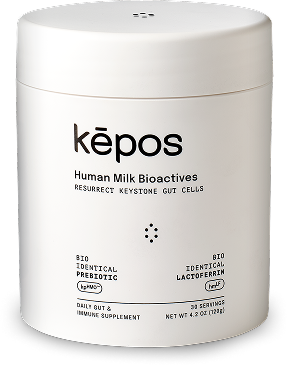
This is precisely where kpHMO™, the prebiotic originally found in human milk and now recreated through Japanese fermentation, was designed to go further. Unlike single-HMO research or supplements built around one isolated molecule, kpHMO™ is a proprietary ingredient designed and owned exclusively by kēpos, covering all three HMO bases, neutral, fucosylated, and sialylated, to more closely mirror the full oligosaccharide spectrum found in real breast milk rather than a single fraction of it. A single-HMO study is a meaningful data point. A full-spectrum ingredient is the more complete approach to feeding an aging, Bifidobacterium-poor gut.
How kēpos Fits Into This Picture
None of this is a claim that kēpos or HMOs prevent the flu, treat the flu, or replace a flu shot. The research above is about supporting a healthier gut-immune terrain, not curing anything. What the evidence does suggest is this: if Bifidobacterium abundance tracks with vaccine immunogenicity, and if HMOs are the most selective known food source for Bifidobacterium, then feeding that bacterial population consistently is a reasonable, mechanistically grounded piece of an aging-immune strategy.
kpHMO™ may help support this exact pathway, alongside effera™ recombinant human lactoferrin, which brings its own iron-binding, innate-immune support role to the same daily routine. Together, they are formulated to support the gut environment that the research above keeps pointing back to. If you want to see how kēpos combines these two bioactives, the human milk bioactives product page breaks down the full ingredient profile.
For more on how immune aging works on its own, independent of the gut angle, see our deep dive on immunosenescence and why your body fights infection slower with age, or our piece on why immune function declines after 50. And for more on the Bifidobacterium mechanism referenced throughout this article, read what HMOs actually feed: the bifidogenic effect explained.
Frequently Asked Questions
Why do flu shots stop working as well after age 60?
Two things happen at once. Immunosenescence reduces the immune system's raw ability to generate antibodies and T cells in response to a vaccine, and background inflammation ("inflammaging") appears to further blunt that response (PMID 42228420). Separately, age-related shifts in gut bacteria, particularly reduced Bifidobacterium, may remove some of the metabolic support that response depends on.
Can improving gut health actually make a flu vaccine work better?
Human research suggests gut bacteria composition is causally associated with anti-influenza antibody levels (PMID 40898564), and specific genera like Bifidobacterium are linked to stronger vaccine immunogenicity across multiple vaccine types (PMID 40884514). This supports the gut as a meaningful factor, though it should be viewed as one supportive piece of the picture rather than a guarantee of vaccine performance.
What is immunosenescence, in plain terms?
Immunosenescence is the gradual, well-documented aging of the immune system. It shows up as fewer antigen-specific T cells and weaker interferon signaling after vaccination in older adults compared to younger adults receiving the identical shot (PMID 42228420).
Do HMOs have research support in older adults specifically, or mostly in infants?
Most historical HMO research comes from infant studies, but a 6-week randomized controlled trial specifically in adults with a mean age of 67.3 found that HMO supplementation increased gut Bifidobacterium levels and shifted circulating metabolites and hormones (PMID 40738103). This is genuine Tier 1 adult evidence, not an infant-to-adult extrapolation.
What is kpHMO™ and how is it different from a single HMO supplement?
kpHMO™ is a proprietary human milk bioactive ingredient designed and owned exclusively by kēpos, formulated to cover all three HMO bases, neutral, fucosylated, and sialylated, rather than a single isolated molecule. A prebiotic first identified in human milk, it is produced today through precision Japanese fermentation, built to more closely match the full oligosaccharide diversity found in real breast milk. Learn more on the kēpos product page or browse the full kēpos blog for more gut-immune research breakdowns.