

🔑 Key Takeaways
- Common dysbiosis symptoms include bloating, abdominal pain, irregular bowel movements, and persistent digestive discomfort — often signaling your microbiome needs support.
- Human milk oligosaccharides (HMOs) are clinically proven to restore gut balance by selectively feeding beneficial bacteria like Bifidobacteria.
- Studies show HMOs increase beneficial short-chain fatty acids and strengthen gut barrier function at doses as low as 0.5 grams per day.
- Unlike probiotics that add bacteria, HMOs work as precision prebiotics — nourishing your existing beneficial microbes to outcompete harmful strains.
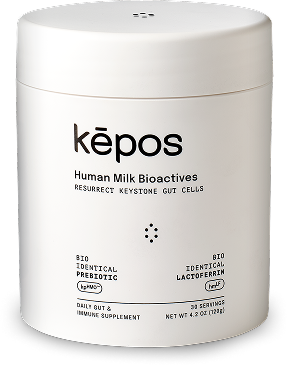
- kēpos delivers research-backed HMOs plus lactoferrin to help rebalance your gut microbiome from the inside out.
What Does It Mean When Your Gut Microbiome Is Out of Balance?
Your gut microbiome is home to trillions of bacteria, fungi, viruses, and other microorganisms — a complex ecosystem that directly impacts digestion, immunity, and even mental health.
When this ecosystem falls out of balance, it's called dysbiosis. This isn't just a buzzword — it's a scientifically recognized condition where harmful bacteria outnumber beneficial ones, leading to a cascade of uncomfortable symptoms.
According to a 2023 review published in Microorganisms, general gastrointestinal problems like abdominal pain, bloating, gas, diarrhea, and constipation are the main symptoms of dysbiosis. These disruptions can lead to nutrient malabsorption, deficiencies, and chronic inflammation.
The question is: how do you know if your gut is out of balance? Let's explore the telltale signs.
What Are the Most Common Signs Your Gut Microbiome Is Struggling?
Your body sends clear signals when your gut microbiome needs attention. Here are the most common red flags:
1. Persistent Digestive Issues
Bloating, gas, constipation, or diarrhea that won't go away are classic signs of microbial imbalance. When harmful bacteria dominate, they can ferment foods improperly, producing excess gas and disrupting bowel regularity.
2. Unexplained Fatigue or Brain Fog
Your gut produces neurotransmitters like serotonin and sends signals to your brain via the gut-brain axis. Dysbiosis can disrupt this communication, leading to low energy, poor focus, and mood swings.
3. Frequent Infections or Weakened Immunity
Did you know that approximately 70% of your immune system resides in your gut? When beneficial bacteria are depleted, your immune defenses weaken, making you more susceptible to colds, infections, and inflammation.
4. Food Sensitivities and Intolerances
Suddenly reacting to foods you once tolerated? Dysbiosis can compromise gut barrier integrity (often called "leaky gut"), allowing undigested food particles to trigger immune reactions and sensitivities.
5. Skin Problems Like Acne or Eczema
The gut-skin axis is real. Inflammation from gut dysbiosis can manifest as acne, eczema, rosacea, and other skin conditions. Restoring gut balance often leads to clearer, healthier skin.
6. Unintentional Weight Changes
An imbalanced microbiome can affect how you absorb nutrients, regulate blood sugar, and store fat. Some people experience weight gain, while others struggle to maintain healthy weight.
How Can HMOs Help Restore Gut Balance?
Here's where cutting-edge gut health science gets exciting: human milk oligosaccharides (HMOs) are emerging as one of the most powerful tools for rebalancing the microbiome — and they work differently than traditional probiotics.
While probiotics introduce new bacteria (which often don't survive stomach acid or colonize effectively), HMOs act as precision prebiotics that selectively nourish your existing beneficial bacteria, helping them thrive and outcompete harmful strains.
HMOs Increase Beneficial Bacteria
A groundbreaking 2020 study published in Nutrients demonstrated that HMOs significantly increase Bifidobacteria in adult gut microbiomes. Bifidobacteria are considered keystone species — they produce short-chain fatty acids (SCFAs) like butyrate, which fuel intestinal cells and reduce inflammation.
Even more impressive: a 2024 study in Metabolites found that HMOs significantly increased beneficial SCFAs at doses as low as 0.3 to 0.5 grams per day in both children and adults. Bifidobacteria populations increased from just 0.5-1 gram daily.
HMOs Strengthen Your Gut Barrier
Beyond feeding good bacteria, HMOs directly support gut barrier function. The 2020 Nutrients study showed that HMOs:
- Increased claudin-8 gene expression — a tight junction protein that seals the gut lining
- Reduced paracellular permeability — preventing "leaky gut"
- Lowered IL-6 inflammation markers — calming immune overreaction
This triple action makes HMOs uniquely effective at addressing the root causes of dysbiosis, not just masking symptoms.
HMOs Produce Health-Promoting Metabolites
When beneficial bacteria ferment HMOs, they produce metabolites that support:
- Immune function — aromatic lactic acids like indole-3-lactic acid
- Gut-brain health — GABA, 3-hydroxybutyric acid, acetylcholine
- Vitamin production — B vitamins essential for energy
As noted in a 2024 study, HMOs promote the growth of commensal bacteria across all life stages, from infancy through adulthood.
Why Choose kēpos for Microbiome Rebalancing?
kēpos goes beyond basic gut health supplements by combining clinically studied HMOs with eferra™ recombinant human lactoferrin (rhLF) — a powerful antimicrobial and anti-inflammatory protein that further supports microbiome balance.
This dual-action formula:
- Feeds beneficial bacteria with precision prebiotic HMOs
- Inhibits pathogenic overgrowth with lactoferrin's natural antimicrobial activity
- Supports gut barrier integrity to prevent leaky gut
- Reduces inflammation at the intestinal level
Unlike probiotic supplements that may or may not colonize your gut, kēpos works with your unique microbiome to restore balance from within.
Frequently Asked Questions About Gut Microbiome Imbalance
How long does it take to rebalance your gut microbiome?
Microbiome changes can begin within days, but significant rebalancing typically takes 4-12 weeks with consistent dietary changes and targeted support like HMOs. Individual timelines vary based on the severity of dysbiosis and lifestyle factors.
Can you test for gut microbiome imbalance?
Yes. Comprehensive stool tests can analyze bacterial diversity, measure beneficial vs. harmful bacteria ratios, and identify markers of inflammation. However, many people notice improvement in symptoms without testing by implementing gut-supportive strategies.
What's the difference between probiotics and HMOs?
Probiotics introduce new live bacteria (which may not survive or colonize). HMOs are prebiotics that selectively nourish your existing beneficial bacteria, helping them multiply and dominate. Research shows HMOs can be more effective for microbiome rebalancing because they work with your unique gut ecosystem.
Can stress cause gut microbiome imbalance?
Absolutely. The gut-brain axis means chronic stress directly impacts microbiome composition through stress hormones and nervous system signaling. Managing stress through mindfulness, sleep, and exercise is crucial for gut health alongside nutritional support.
Are there foods that naturally help rebalance the gut microbiome?
Yes! Fermented foods (yogurt, sauerkraut, kimchi), fiber-rich vegetables, resistant starches (cooked and cooled potatoes/rice), and polyphenol-rich foods (berries, dark chocolate, green tea) all support beneficial bacteria. However, targeted interventions like HMOs provide more concentrated, clinically proven support.
Take Control of Your Gut Health Today
The signs of gut microbiome imbalance are your body's way of asking for help. From bloating and digestive discomfort to fatigue and skin issues, these symptoms don't have to be your normal.
Next-generation solutions like human milk oligosaccharides offer a scientifically validated path forward — one that works with your body's natural biology instead of against it.
Ready to restore balance? Explore kēpos and discover how clinically studied HMOs and lactoferrin can help you feel like yourself again.
Written by Oliver Drazsky | More Gut Health Insights