

You've been taking iron supplements religiously for weeks, maybe even months, but your energy levels haven't budged. Your doctor prescribed them after finding low ferritin levels, yet you still feel exhausted, dizzy, and weak. If this sounds familiar, you're not alone. Millions of people struggle with iron deficiency despite taking supplements, and the problem often isn't the supplement itself—it's what's blocking your body from absorbing it.
Iron deficiency affects nearly 30% of the global population, making it the world's most common nutritional deficiency. But here's what most people don't know: simply swallowing an iron pill doesn't guarantee your body will actually use that iron. Various factors can significantly reduce or completely block iron absorption, turning your daily supplement into an expensive waste.
Understanding Iron Absorption: Why Timing Matters
Before diving into what blocks iron absorption, it's important to understand how long iron supplements take to work under normal conditions. Your body doesn't immediately transform iron pills into usable hemoglobin. The process takes time, and several factors influence the timeline.
When you take an iron supplement, your small intestine—specifically the duodenum—is responsible for absorbing it. From there, iron travels through your bloodstream to your bone marrow, where it helps produce new red blood cells. This entire process doesn't happen overnight.
Most people wonder how long it takes for iron supplements to work, and the answer varies based on the severity of your deficiency. You might start feeling slightly better within 2-4 weeks as your body begins producing more red blood cells. However, it typically takes 2-3 months to fully replenish depleted iron stores, and some people need up to 6 months of consistent supplementation.
The question of how fast will iron supplements work depends largely on whether you're avoiding common absorption blockers. When these blockers are present, the timeline extends significantly, or worse, the supplements might not work at all.
The Hidden Culprits: Common Iron Absorption Blockers
Dietary Antagonists
Your morning routine might be sabotaging your iron supplement without you realizing it. Coffee and tea contain compounds called polyphenols and tannins that bind to iron, making it nearly impossible for your body to absorb.
Calcium presents another major challenge. That glass of milk you're drinking with your iron pill? It's creating competition in your intestines. Calcium and iron use similar pathways for absorption, and calcium usually wins. Dairy products, calcium supplements, and even calcium-fortified foods can significantly reduce iron absorption when consumed together.
Pharmaceutical Interactions
Many common medications act as iron blocker supplements without people realizing it. Proton pump inhibitors (PPIs) like omeprazole reduce stomach acid production, which is essential for converting iron into its absorbable form. Without adequate stomach acid, your iron supplement passes through your system largely unused.
Antacids create similar problems by neutralizing stomach acid. Even over-the-counter heartburn medications can interfere with iron absorption. Antibiotics, particularly tetracyclines and quinolones, bind with iron to form compounds your body cannot absorb.
Supplements That Block Iron Absorption: The Surprising List
When exploring what supplements block iron absorption, many people are shocked to discover their daily vitamin routine might be working against them. Zinc supplements compete directly with iron for absorption sites in your intestines. Taking high doses of zinc (above 25mg) can significantly impair iron absorption.
Magnesium supplements pose similar challenges, especially when taken in large doses. While magnesium is essential for hundreds of bodily functions, timing it with iron supplements reduces the effectiveness of both minerals.
Some of the most common supplements that block iron absorption include:
-
Calcium carbonate or citrate supplements
-
High-dose vitamin E (above 400 IU)
-
Copper supplements when taken simultaneously
-
Certain fiber supplements, particularly those containing phytates
The Phytate Problem
Whole grains, legumes, nuts, and seeds contain phytic acid, a compound that binds minerals including iron. While these foods offer numerous health benefits, consuming them with iron supplements can reduce absorption by up to 50%. Soaking, sprouting, or fermenting these foods can reduce their phytate content, but timing remains crucial for optimal iron absorption.
How to Know When Your Iron Supplement Is Actually Working
Understanding when does iron supplement start working requires paying attention to subtle changes in your body. The first improvements typically appear in your energy levels and concentration, often before blood tests show significant changes.
Within 2-3 weeks, you might notice:
-
Less fatigue during daily activities
-
Improved mental clarity
-
Better exercise tolerance
-
Warmer hands and feet
-
Fewer headaches
Blood work tells the complete story. Your healthcare provider will monitor ferritin levels (stored iron), hemoglobin, and other markers. These numbers help determine how quickly does iron supplements work in your specific case.
The Gut Health Connection: A Game-Changer for Iron Absorption
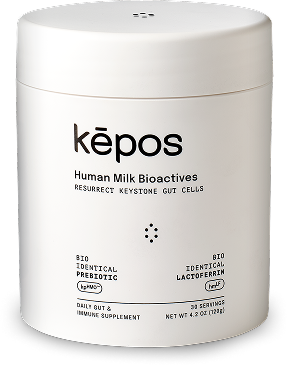
Your gut microbiome plays a crucial role in mineral absorption that science is only beginning to understand. An imbalanced gut can impair your body's ability to absorb iron, regardless of how many supplements you take. This is where innovative gut health solutions, particularly human milk oligosaccharides (HMOs) and effera human lactoferrin from kēpos, offer unique benefits.
Research has shown that HMOs can significantly improve gut barrier function and promote the growth of beneficial bacteria, particularly Bifidobacterium species. A multicenter clinical trial with IBS patients found that HMO supplementation (2′-FL+LNnT, 5 g/day for 12 weeks) led to remarkable improvements: abnormal stools dropped from 90.7% to 57.2%, and IBS symptom severity scores decreased from 323 to 144. A healthy gut lining with proper bacterial balance creates an optimal environment for nutrient absorption, including iron.
Studies have demonstrated that HMO supplementation can improve overall digestive function and reduce inflammation, both factors that influence iron absorption. Research examining the effects of HMOs on gut microbiota and metabolites in IBS patients showed that 2′-FL+LNnT supplementation increased both fecal and mucosal Bifidobacterium species, particularly B. longum and B. adolescentis, while modulating beneficial metabolite profiles.
Effera human lactoferrin, a bioidentical protein to what's found in human breast milk, offers additional support for iron metabolism. Unlike bovine lactoferrin, this human-equivalent form has superior bioavailability and doesn't trigger immune responses that could interfere with nutrient absorption. A recent controlled trial examining recombinant human lactoferrin at different doses found that both high-dose (3.4 g) and low-dose (0.34 g) rhLF induced no significant rise in anti-hLF antibodies, whereas bovine lactoferrin significantly increased antibody titers, demonstrating the superior compatibility of human lactoferrin.
The combination of HMOs and human milk lactoferrin found in kēpos supplements creates a synergistic effect. While HMOs nurture beneficial gut bacteria and strengthen the intestinal barrier, lactoferrin helps regulate iron homeostasis. This dual approach addresses both the gut health foundation and the specific mechanisms of iron transport.
Strategic Timing: Maximizing Iron Absorption
Knowing how long until iron supplements work is just part of the equation. Strategic timing can dramatically improve absorption rates. Take iron supplements on an empty stomach, ideally one hour before meals or two hours after. If this causes stomach upset, taking them with a small amount of vitamin C-rich food (not juice with added calcium) can help.
Morning supplementation often works best because stomach acid levels are typically highest after fasting overnight. Avoid taking iron within two hours of consuming coffee, tea, dairy products, or high-calcium foods. If you take other supplements, space them at least two hours apart from iron.
Consider splitting your daily iron dose into smaller amounts taken throughout the day. Your body can only absorb a limited amount at once, so dividing doses can improve overall absorption. Some people find taking iron every other day actually improves absorption compared to daily supplementation.
Supporting Iron Absorption Naturally
Vitamin C remains the gold standard for enhancing iron absorption. Just 100mg of vitamin C can increase iron absorption by up to 400%. Fresh citrus fruits, strawberries, bell peppers, and tomatoes provide natural vitamin C without the calcium found in many fortified juices.
Creating an optimal gut environment through targeted supplementation can make a significant difference. The HMOs in kēpos supplements have been shown to improve overall gut health markers and reduce digestive symptoms. A pilot clinical trial with adults suffering from IBS or ulcerative colitis found that after 6 weeks of 2′-FL supplementation, participants experienced improved GI quality-of-life scores, increased beneficial bacteria like Bifidobacterium and F. prausnitzii, and elevated short-chain fatty acids including butyrate. When your gut functions optimally, nutrient absorption improves across the board.
Cooking in cast iron pans adds small amounts of bioavailable iron to food, particularly when preparing acidic dishes like tomato sauce. This traditional method provides a gentle, continuous source of dietary iron that complements supplementation.
Special Considerations for Different Populations
Certain groups face unique challenges with iron absorption. People with inflammatory bowel conditions like IBS or IBD often struggle with mineral absorption due to intestinal inflammation. Research on HMO supplementation in IBS patients has shown significant improvements in digestive symptoms and gut microbiome composition, potentially creating better conditions for nutrient absorption.
Vegetarians and vegans consume non-heme iron, which is naturally less bioavailable than the heme iron found in meat. They need to be particularly mindful of absorption blockers and may benefit from higher supplement doses or more strategic timing.
Athletes, especially female athletes, have increased iron needs due to losses through sweat and minor gastrointestinal bleeding from intense exercise. They might need longer to see results from supplementation, particularly if continuing high-intensity training.
Women with heavy menstrual periods lose significant amounts of iron monthly and may need extended supplementation periods to build adequate stores. Pregnancy and breastfeeding further increase iron demands, making absorption optimization crucial.
Beyond Basic Supplementation: Advanced Strategies
For those wondering how quickly does iron supplements work when everything else has been optimized, consider these advanced strategies. Heme iron supplements, derived from animal sources, bypass many absorption blockers that affect non-heme iron. While more expensive, they're often better tolerated and more efficiently absorbed.
Chelated iron supplements, where iron is bound to amino acids, may offer improved absorption and fewer side effects. Brands like ferrous bisglycinate are gentler on the stomach while maintaining good bioavailability.
Supporting overall gut health through comprehensive supplementation can create lasting improvements in nutrient absorption. The effera human lactoferrin in kēpos products offers unique advantages as a human-identical protein that supports both immune function and mineral metabolism without the allergenicity concerns of dairy-derived alternatives. Research has confirmed its safety profile and lack of immunogenicity compared to bovine sources.
Some people benefit from liquid iron supplements, which may be absorbed more readily than tablets. These can be easier to time strategically and adjust dosing as needed.
Creating Your Personal Iron Optimization Protocol
Start by identifying and eliminating major absorption blockers in your routine. Keep a food and supplement diary for a week, noting when you take iron and what you consume within two hours on either side. This reveals patterns that might be interfering with absorption.
Work with your healthcare provider to monitor progress through regular blood work. Testing ferritin, hemoglobin, and transferrin saturation every 4-6 weeks during initial supplementation helps track improvement and adjust dosing.
Consider incorporating gut health support through HMO and human milk lactoferrin supplementation. The research-backed formulations from kēpos provide bioidentical nutrients that support the intestinal environment where iron absorption occurs. These lactose-free supplements offer reduced allergenicity while promoting optimal digestive function.
Remember that improving iron status is a marathon, not a sprint. While you might wonder how fast will iron supplements work, focusing on consistent, strategic supplementation with proper timing yields the best long-term results.
Key Takeaways
-
Iron absorption blockers like coffee, tea, calcium, and certain medications can prevent your supplements from working effectively
-
How long do iron supplements take to work depends on avoiding these blockers - typically 2-4 weeks for initial improvement, 2-3 months for full recovery
-
Timing matters: take iron on an empty stomach, away from other supplements and blockers
-
Supporting gut health with HMOs and effera human lactoferrin from kēpos can optimize nutrient absorption
-
Strategic supplementation with proper timing delivers better results than simply increasing doses
To learn more about optimizing your gut health for better nutrient absorption, visit www.trykepos.com.
FAQs
Q: Can I take iron supplements with food if they upset my stomach?
A: Yes, taking iron with a small amount of vitamin C-rich food can help reduce stomach upset while maintaining some absorption. Avoid taking with full meals or calcium-rich foods.
Q: Which medications most commonly interfere with iron absorption?
• Proton pump inhibitors (omeprazole, lansoprazole) • Antacids containing calcium or magnesium.
Q: How much coffee affects iron absorption?
A: One cup of coffee can reduce iron absorption by 60%, while black tea can reduce it by up to 70% when consumed within 1 hour of taking iron.
Q: Should I take iron supplements every day or every other day?
A: Recent research suggests taking iron every other day may improve absorption by 34% compared to daily supplementation, as it allows your body's iron-regulating hormones to reset.
Q: What's the best form of iron supplement for people with sensitive stomachs?
• Ferrous bisglycinate (chelated iron) - gentler with 25% absorption rate • Heme iron polypeptide - derived from animal sources with fewer side effects.
*Not medical advice.