

Key Takeaways
- Human milk oligosaccharides (HMOs) are among the most effective bifidogenic compounds, significantly increasing B. adolescentis and B. longum in clinical trials
- Prebiotic fibers like FOS and inulin consistently boost bifidobacteria, meta-analyses show doses of 7.5-15g daily produce the strongest effects
- Fermented foods increase overall microbiome diversity while reducing inflammatory markers
- Galacto-oligosaccharides (GOS) not only increase bifidobacteria but also enhance immune function in older adults
- Consistency matters, studies show benefits increase with duration beyond 4 weeks of supplementation
Bifidobacteria are among the most important beneficial bacteria in your gut. These powerhouse microbes play crucial roles in digestion, immune function, and even mental health. But modern lifestyles, processed foods, antibiotics, stress, can deplete these essential bacteria. The good news? Research shows you can effectively rebuild your bifidobacteria population through specific dietary strategies.
Let's explore what clinical trials actually reveal about the most effective ways to increase your bifidobacteria naturally.
What Are Bifidobacteria and Why Do They Matter?
Bifidobacteria are beneficial bacteria that naturally colonize your large intestine. In healthy breastfed infants, they often dominate the gut microbiome. However, their populations typically decline with age, antibiotics, and Western dietary patterns.
These bacteria provide multiple health benefits: they produce short-chain fatty acids that nourish your gut lining, crowd out pathogenic bacteria, support immune function, and help synthesize certain B vitamins. Low bifidobacteria levels have been associated with inflammatory conditions, weakened immunity, and digestive disorders.
1. Human Milk Oligosaccharides (HMOs): The Gold Standard
Human milk oligosaccharides represent perhaps the most elegant solution nature has devised for cultivating bifidobacteria. These complex sugars, naturally abundant in breast milk, pass through your digestive system undigested until they reach your colon, where bifidobacteria feast on them.
A randomized controlled trial published in Nutrients examined HMO supplementation (specifically 2'-fucosyllactose and lacto-N-neotetraose) in 58 adults with IBS. After just four weeks, researchers observed significant increases in both fecal and mucosal Bifidobacterium species, particularly B. adolescentis and B. longum. The 10g daily dose produced the most notable changes in gut microbiota composition.
What makes HMOs particularly interesting is their selectivity. Unlike some prebiotics that feed multiple bacterial species, HMOs specifically promote bifidobacteria growth while leaving potential pathogens unchanged. A 2025 mechanistic study modeling infant gut microbial communities (PMID: 41274892) found that specific Bifidobacterium species play distinct, critical roles in breaking down HMOs and cross-feeding other beneficial microbes, deepening our understanding of exactly how these sugars shape a thriving microbiome.
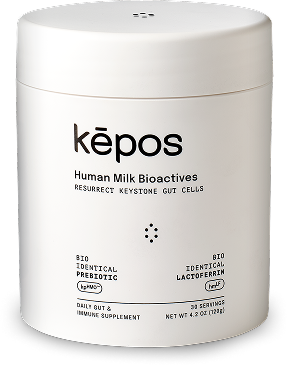
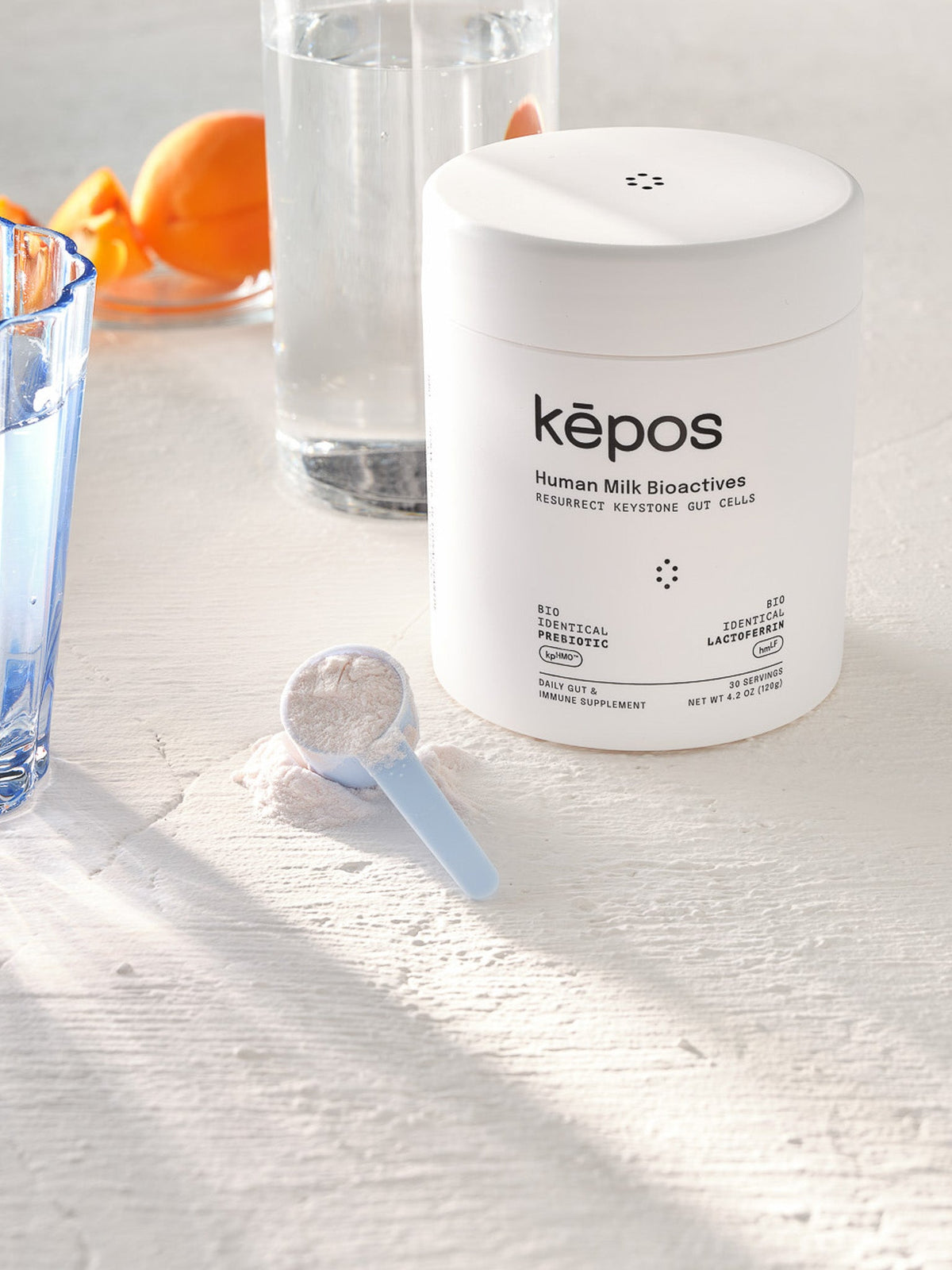
This is why kēpos supplements feature kpHMO™, a prebiotic originally discovered in human milk and recreated through Japanese fermentation, as a cornerstone ingredient. kpHMO™ is designed and owned exclusively by kēpos and is formulated to cover the full range of neutral, fucosylated, and sialylated human milk oligosaccharides, delivering broader, more targeted support for the bacteria that matter most than a single isolated HMO could offer.
2. Prebiotic Fibers: FOS and Inulin
Fructooligosaccharides (FOS) and inulin are among the most well-studied prebiotics for boosting bifidobacteria. Found naturally in foods like chicory root, garlic, onions, and artichokes, these fibers serve as preferred fuel for beneficial gut bacteria.
A comprehensive 2022 meta-analysis of 8 randomized controlled trials involving 388 participants found that FOS supplementation significantly increased bifidobacteria levels. The analysis revealed a weighted mean difference of 0.579 log CFU/g (95% CI: 0.444–0.714), a meaningful increase in bacterial populations.
Importantly, the research identified dose and duration effects:
- Higher doses (7.5-15g daily) produced greater bifidobacteria increases than lower doses
- Interventions lasting more than 4 weeks showed more pronounced effects
- Adults showed greater response than infants, suggesting these compounds are particularly valuable as we age
A separate systematic review of 9 clinical trials examining inulin confirmed these findings, concluding that increased Bifidobacterium was "the most consistent change" observed across studies.
3. Fermented Foods: Diversity and Inflammation Benefits
The landmark Stanford study published in Cell transformed our understanding of fermented foods' impact on gut health. This 17-week randomized trial compared high-fiber and high-fermented food diets in 36 healthy adults.
The results were striking: participants consuming fermented foods (yogurt, kefir, kimchi, kombucha, and fermented vegetables) experienced steadily increasing microbiome diversity throughout the study. Equally impressive, they showed significant decreases in inflammatory markers, including multiple cytokines associated with chronic inflammation.
While this study examined overall microbiome diversity rather than bifidobacteria specifically, the findings have important implications. A diverse, well-balanced gut ecosystem creates conditions where beneficial bacteria like bifidobacteria can thrive. Plus, many fermented dairy products directly contain live bifidobacteria strains.
The researchers concluded that "fermented foods may be valuable in countering the decreased microbiome diversity and increased inflammation pervasive in industrialized society."
4. Galacto-oligosaccharides (GOS): Immune-Boosting Benefits
Galacto-oligosaccharides deserve special attention for their dual benefits: they increase bifidobacteria while simultaneously enhancing immune function, a particularly valuable combination for older adults.
In a double-blind, placebo-controlled crossover study, 44 elderly participants received either 5.5g daily of GOS or placebo for 10 weeks. The GOS group showed significant increases in bifidobacteria and several impressive immune improvements:
- Enhanced phagocytosis (immune cells' ability to engulf pathogens)
- Increased natural killer (NK) cell activity
- Higher production of the anti-inflammatory cytokine IL-10
- Reduced levels of pro-inflammatory cytokines IL-6, IL-1β, and TNF-α
These findings suggest that for older adults concerned about both gut health and immune resilience, GOS supplementation offers a two-for-one benefit.
5. Consistency and Combination Strategies
Perhaps the most important insight from reviewing this research: consistency matters more than intensity. Studies consistently show that benefits accumulate over time, with interventions lasting 4+ weeks producing more substantial and stable changes in bifidobacteria populations.
The most effective approach likely combines multiple strategies:
- Daily HMO supplementation for targeted bifidobacteria support
- Regular consumption of prebiotic-rich foods like garlic, onions, leeks, and asparagus
- Fermented foods several times weekly for diversity and inflammation benefits
- Adequate fiber intake from varied plant sources
This multi-pronged approach mirrors how our ancestors naturally supported gut health, through diverse, fiber-rich, traditionally-fermented diets rather than any single "magic bullet."
Frequently Asked Questions
How long does it take to increase bifidobacteria levels?
Research shows measurable changes can occur within 1-2 weeks of starting prebiotic supplementation, but more significant and stable increases typically develop over 4+ weeks. The meta-analysis on FOS found interventions longer than 4 weeks produced notably greater effects than shorter durations.
Can I get enough prebiotics from food alone?
While prebiotic-rich foods like garlic, onions, and artichokes do support bifidobacteria, achieving the therapeutic doses used in clinical trials (often 5-15g daily) through diet alone can be challenging. Most people benefit from combining food sources with targeted supplementation.
Are HMOs safe for adults?
Yes. Clinical trials have consistently demonstrated that HMOs are well-tolerated in adults. The randomized controlled trial on IBS patients found HMO supplementation at up to 10g daily produced no significant adverse gastrointestinal symptoms compared to placebo.
Do probiotics or prebiotics work better for increasing bifidobacteria?
The evidence strongly supports prebiotics, especially HMOs, FOS, and GOS, for sustainably increasing bifidobacteria. While probiotic supplements can temporarily introduce bacteria, prebiotics feed and multiply the bifidobacteria already adapted to your gut environment, creating more lasting changes.
What's the best dose of prebiotics for bifidobacteria?
Based on the meta-analysis data, doses in the 7.5-15g daily range appear most effective for FOS and similar prebiotics. For HMOs, studies have used 5-10g daily with good results. Starting at lower doses and gradually increasing helps minimize any initial digestive adjustment.
What is kpHMO™ and how is it different from other HMO ingredients?
kpHMO™ is the prebiotic originally found in human milk, now recreated through precision Japanese fermentation. It's designed and owned exclusively by kēpos and is built to cover the neutral, fucosylated, and sialylated human milk oligosaccharides found in breast milk, rather than isolating just one. That broader coverage is intended to support a wider range of bifidobacteria strains than a single-HMO ingredient can.
Can increasing bifidobacteria help with bloating or irregular digestion?
Many people report improved stool consistency and reduced bloating as their bifidobacteria populations recover, since these bacteria help regulate transit time and produce short-chain fatty acids that support the gut lining. Individual results vary, and persistent digestive symptoms should be discussed with a healthcare provider.
The Bottom Line
Increasing your bifidobacteria isn't complicated, but it does require commitment. The research is clear: targeted prebiotics like HMOs, FOS, and GOS effectively boost these beneficial bacteria, while fermented foods support overall microbiome diversity and reduce inflammation.
The key is consistency. Whether you choose supplementation, dietary changes, or both, give your gut time to respond. Your bifidobacteria didn't decline overnight, and they won't fully recover in a day either. But with the right approach, you can rebuild these essential bacteria and enjoy the health benefits they provide.
Ready to support your bifidobacteria with science-backed ingredients? Explore how kēpos supplements combine kpHMO™ with other gut-supporting compounds to help you cultivate a thriving microbiome.
For more research-backed gut health strategies, visit the kēpos blog.