


Updated 2026 | Evidence-based review of 7 peer-reviewed studies
When choosing a prebiotic for gut health, one critical question remains: should you choose plant-based fibers or Human Milk Oligosaccharides (HMOs)? The science is clear—and the answer may surprise you.
While plant-based prebiotic fibers like inulin, FOS, and GOS have dominated the supplement market for decades, breakthrough research reveals that Human Milk Oligosaccharides (HMOs) offer distinct advantages that plant fibers simply cannot match. Here's what the peer-reviewed science shows.
7 Science-Backed Reasons HMOs Outperform Plant Fibers
1. Superior Selectivity: HMOs Feed Good Bacteria Only
The most critical difference between HMOs and plant fibers lies in selectivity. Plant-based prebiotics like FOS and inulin can be fermented by both beneficial bacteria AND potentially harmful bacteria. HMOs, by contrast, are exclusively metabolized by beneficial species like Bifidobacterium.
A groundbreaking 2017 study published in European Food Research and Technology compared HMO fermentation against several plant-derived oligosaccharides including GOS, XOS, and GMOS. The findings were striking: E. coli and Campylobacter jejuni showed zero growth on HMOs, while Bifidobacterium longum thrived. Plant oligosaccharides showed similar selectivity but with notably lower potency.
Why this matters: When you take a plant-based prebiotic, you may inadvertently be feeding bacteria you don't want to grow. HMOs solve this problem through nature's own design.
2. HMOs Dramatically Accelerate Bifidobacteria Growth
A 2025 study (PMID: 39906504) demonstrated that 2'-fucosyllactose (the most abundant HMO) dramatically accelerated the growth and proliferation of Bifidobacterium bifidum strains compared to GOS and other carbohydrates. The bifidogenic effect was significantly stronger than any plant-based alternative tested.
This accelerated growth is crucial because Bifidobacterium species are foundational to gut health, playing key roles in:
- Immune system regulation
- Vitamin synthesis (especially B vitamins)
- Pathogen exclusion
- Short-chain fatty acid production
3. Direct Pathogen Inhibition Through Organic Acids
When beneficial bacteria ferment HMOs, they produce organic acids (acetate, lactate) that actively inhibit pathogenic bacteria. The 2017 Wang et al. study demonstrated that fermentation supernatants from B. longum grown on HMOs markedly suppressed the growth of both C. jejuni and E. coli.
The 2025 study further confirmed this pathogen-fighting ability, showing that HMO-fed Bifidobacterium produced antibacterial substances that inhibited Cronobacter species—dangerous opportunistic pathogens. These antibacterial compounds were thermostable and maintained activity even at pH 8.0.
4. Enhanced Gastrointestinal Stress Resistance
Research shows HMOs provide unique advantages in helping beneficial bacteria survive the harsh journey through the digestive system. The 2025 study found that 2'-FL showed unique advantages in ameliorating the resistance of B. bifidum to gastrointestinal challenges—including stomach acid and bile salts.
This means HMO-fed bacteria are more likely to reach the colon intact and establish healthy colonies compared to bacteria fed on plant-based prebiotics.
5. Superior Adhesion Properties
For probiotics to be effective, they must adhere to the intestinal lining. Research demonstrates that HMOs considerably improve the adhesive property of beneficial bacteria, facilitating competitive elimination of pathogens. This enhanced adhesion helps beneficial bacteria occupy ecological niches that would otherwise be available to harmful species.
6. HMOs Are Structurally Superior for Selective Fermentation
A 2019 study (PMID: 31520068) using a semi-continuous colon simulator compared 2'-FL directly against GOS and lactose. The results highlighted the specificity of 2'-FL as an energy source for only certain beneficial microbes over GOS and lactose.
HMOs contain fucose and sialic acid decorations that only specialized infant gut bacteria can decode—a beautiful example of millions of years of co-evolution between human milk nutrients and beneficial gut symbionts. B. longum possesses a specialized HMO gene cluster encoding fucosidases, sialidases, and galactosidases specifically designed to unlock HMO nutrition.
7. No Bloating or Gas Side Effects
Many people experience uncomfortable bloating, gas, and digestive distress when taking high doses of plant-based prebiotics like inulin or FOS. This occurs because these fibers can ferment rapidly and non-selectively in the gut.
HMOs, by contrast, are fermented more specifically by beneficial bacteria, resulting in a gentler digestive experience. This makes HMOs particularly suitable for those with sensitive digestive systems or IBS.
Scientific Evidence Summary
The following peer-reviewed studies support HMOs' superiority over plant fibers:
| Study | PMID | Key Finding |
|---|---|---|
| Du et al., 2025 | 39906504 | 2'-FL dramatically accelerates Bifidobacterium growth and inhibits Cronobacter pathogens |
| Salli et al., 2019 | 31520068 | 2'-FL shows superior selectivity as energy source vs GOS and lactose |
| Wang et al., 2017 | DOI | HMOs selectively feed mutualists while pathogens show zero growth |
Why kēpos Uses HMOs Instead of Plant Fibers
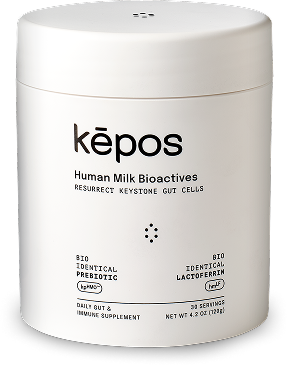
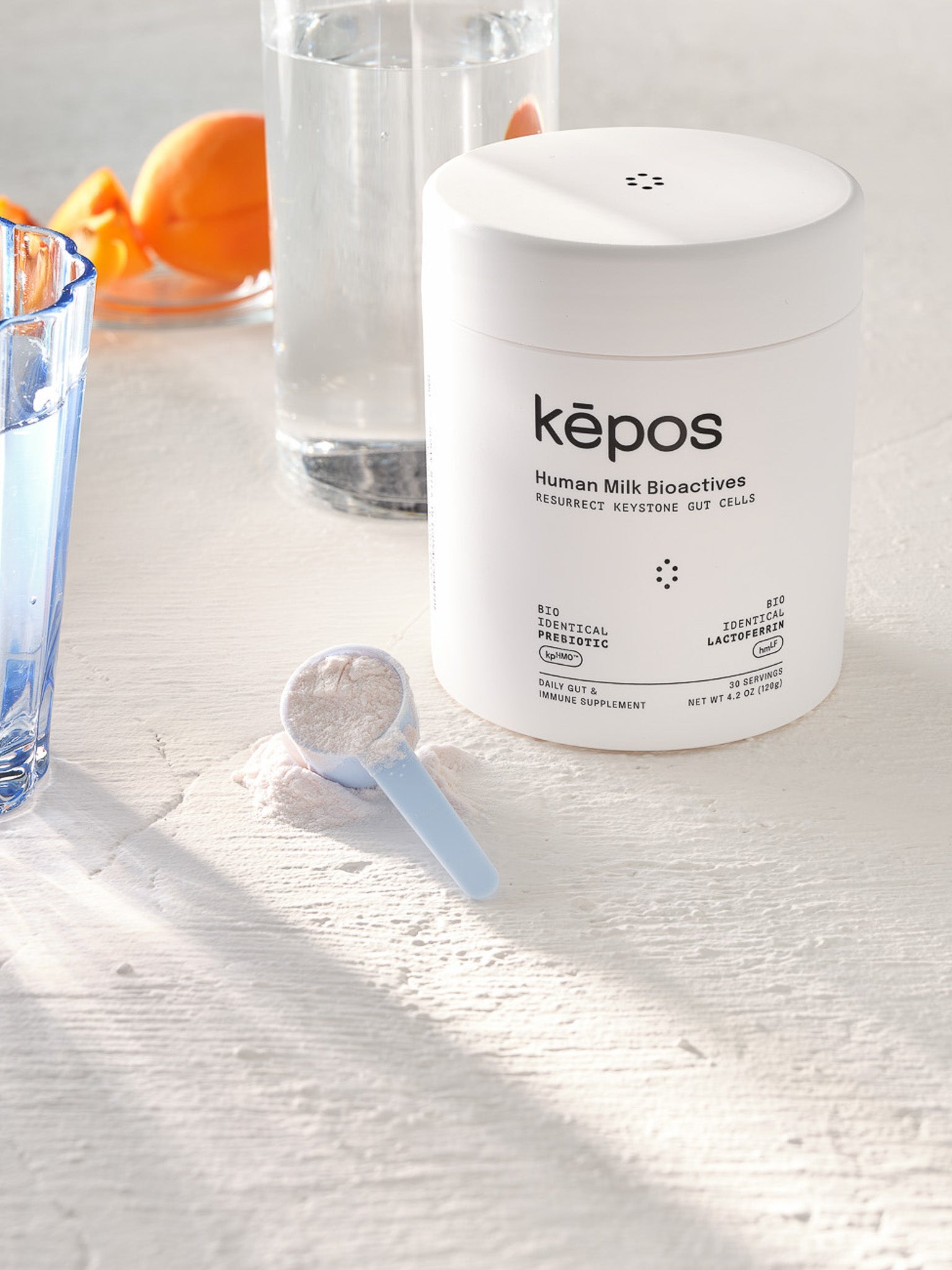
kēpos combines research-backed HMOs with eferra™ human milk lactoferrin—delivering the same powerful bioactive nutrients found in human breast milk. This isn't another plant fiber supplement; it's precision microbiome nutrition based on millions of years of evolutionary refinement.
Unlike plant-based alternatives, kēpos:
- Selectively nourishes beneficial Bifidobacterium species
- Won't feed opportunistic or pathogenic bacteria
- Supports pathogen defense through multiple mechanisms
- Promotes gentle, bloat-free digestion
- Includes lactoferrin for enhanced immune and iron support
Frequently Asked Questions
Are plant-based prebiotics bad for gut health?
Plant-based prebiotics like inulin and FOS can support gut health for many people. However, they lack the selectivity of HMOs—meaning they may also feed bacteria you don't want to grow. For those seeking precision microbiome support, HMOs offer distinct advantages.
Can adults benefit from HMOs, or are they only for infants?
While HMOs evolved to shape the infant microbiome, research shows they provide significant benefits for adults too. A 2023 Nature study confirmed HMOs modulate the adult intestinal microbiome, promoting beneficial Bifidobacterium growth.
Why do plant prebiotics cause bloating while HMOs don't?
Plant fibers like inulin can be rapidly fermented by multiple bacterial species throughout the gut, producing excess gas. HMOs are metabolized more specifically by certain beneficial bacteria, resulting in gentler, more targeted fermentation.
What makes 2'-fucosyllactose (2'-FL) special?
2'-FL is the most abundant HMO in human breast milk and has been extensively studied. Research shows it dramatically accelerates Bifidobacterium growth, supports pathogen defense, and enhances bacterial adhesion to the intestinal lining—benefits not seen with plant-based alternatives.
How long does it take to see results from HMO supplementation?
Studies show measurable changes in gut microbiome composition within 2-4 weeks of consistent HMO supplementation. However, individual results may vary based on baseline gut health, diet, and other lifestyle factors.
Can I take HMOs with other supplements?
Yes. HMOs work synergistically with probiotics—in fact, taking HMOs alongside Bifidobacterium-containing probiotics may enhance their colonization and effectiveness. kēpos is designed to complement a healthy lifestyle and can be added to smoothies, coffee, or taken directly.
The Bottom Line
The research is compelling: Human Milk Oligosaccharides represent the next generation of prebiotic science. While plant-based fibers have their place, HMOs offer unmatched selectivity, potency, and gentleness—making them the superior choice for anyone serious about optimizing their gut microbiome.
Ready to experience the difference? Discover kēpos—the premium HMO and lactoferrin supplement designed to give your gut the precision nutrition it deserves.
Disclaimer: These statements have not been evaluated by the FDA. This product is not intended to diagnose, treat, cure, or prevent any disease. Consult your healthcare provider before starting any new supplement regimen.