

Key Takeaways
- Approximately 90% of your body's serotonin is produced in the gut — not the brain — making gut health a central pillar of mood regulation.
- Gut microbiome dysbiosis (an imbalanced microbial community) is consistently associated with higher rates of anxiety and depression in clinical research.
- Human milk oligosaccharides (HMOs) selectively feed beneficial bacteria and may support mood through the gut-brain axis, as shown in a 2023 randomized controlled trial.
- Lactoferrin may help restore gut barrier integrity and reduce inflammatory signals linked to depression-like behavior via the microbiota-gut-brain axis.
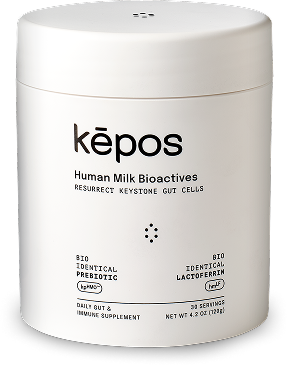
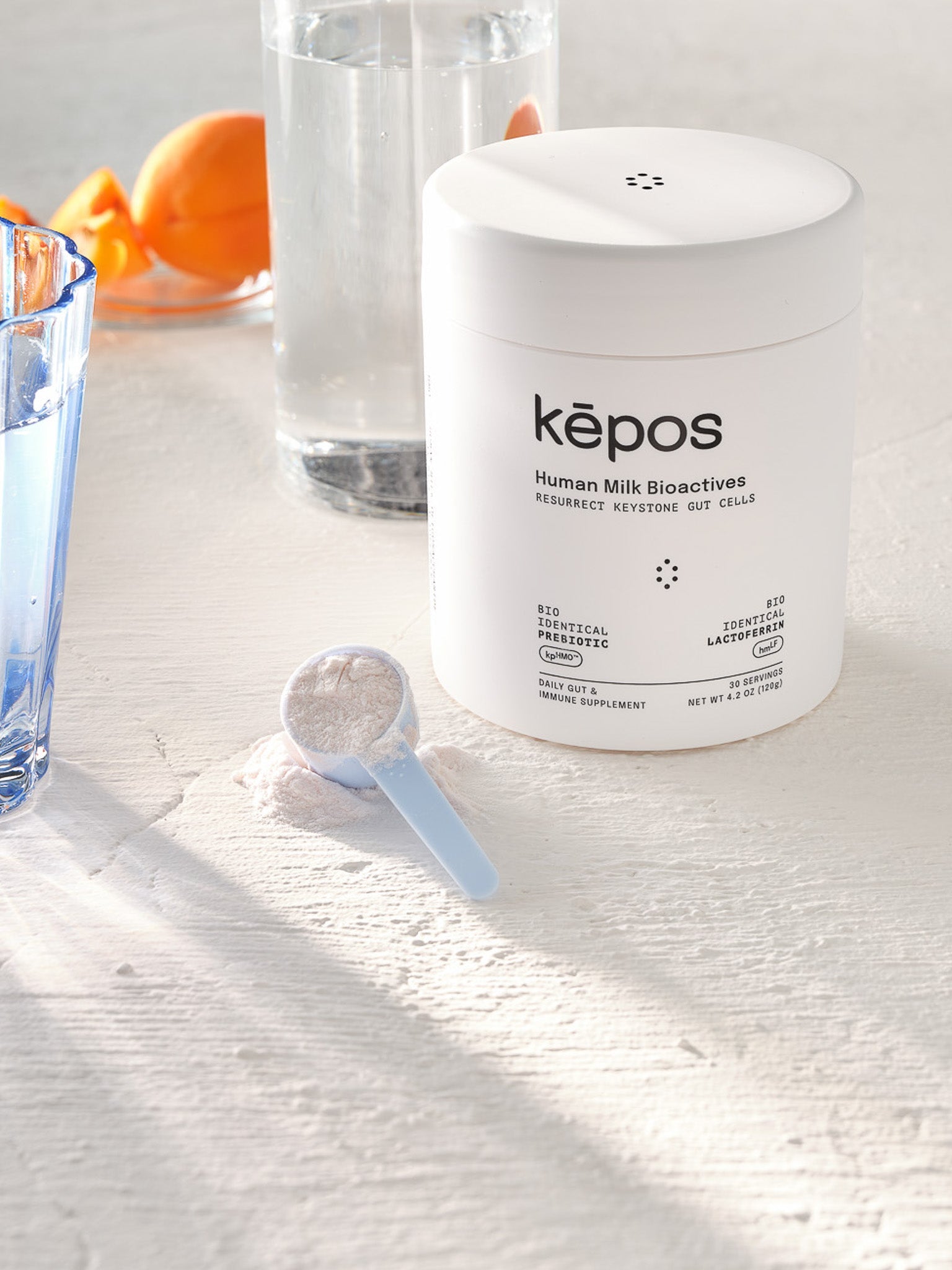
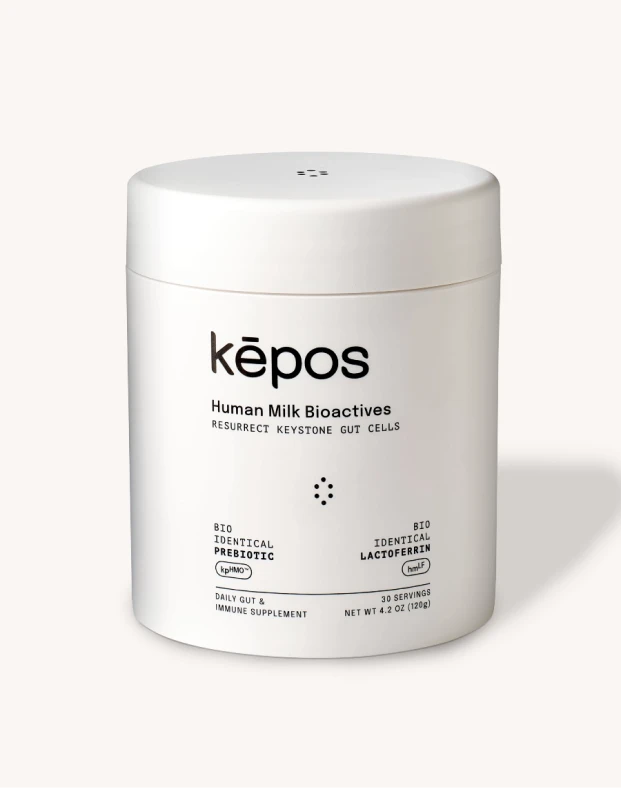
- kēpos combines kpHMO™ and effera™ recombinant human lactoferrin (rhLF) to deliver targeted support for the gut ecosystem that underpins mental well-being.
Most of us were taught that anxiety and depression are brain disorders — driven by genetics, life events, or chemical imbalances in the mind. But a fast-growing body of research is flipping that narrative. The gut may be just as influential as the brain when it comes to mood, stress resilience, and mental health.
That's not a fringe idea anymore. Neuroscientists, gastroenterologists, and psychiatrists are converging on a shared framework: the gut-brain axis, a bidirectional communication superhighway linking your digestive system directly to your central nervous system. And at the heart of it all is the gut microbiome.
Here's what the science actually shows — and what you can do about it.
What Is the Gut-Brain Axis?
The gut-brain axis is a complex, two-way signaling network that connects the enteric nervous system (the "second brain" embedded in your gut wall) with the central nervous system. It communicates through multiple pathways simultaneously:
- Neural pathways: The vagus nerve runs directly from your brainstem to your gut, transmitting signals in both directions.
- Neurotransmitter pathways: The gut produces and responds to many of the same neurotransmitters found in the brain — including serotonin, dopamine, and GABA.
- Immune and inflammatory pathways: Gut bacteria influence the production of pro- and anti-inflammatory cytokines that can cross into the brain's signaling environment.
- Metabolic pathways: Microbial metabolites like short-chain fatty acids and tryptophan derivatives influence brain chemistry directly.
What makes this particularly striking is a single statistic that most people have never heard: approximately 90% of your body's serotonin is synthesized in the gut — specifically by enterochromaffin cells in the intestinal lining — and this production is strongly regulated by the gut microbiota. (Nutrients, 2021; PMID: 34205336)
When your gut microbiome is healthy and diverse, this serotonin production runs smoothly. When it's disrupted — a state called dysbiosis — the entire neurotransmitter landscape can shift.
How Gut Dysbiosis Connects to Anxiety and Depression
A 2023 comprehensive review published in Pharmaceuticals examined 24 studies spanning both animal models and human clinical research on the gut microbiome's role in anxiety and depression. The findings paint a clear picture of connection. (Kumar et al., 2023; PMID: 37111321)
Several mechanisms appear to be at work when gut dysbiosis occurs:
Increased Gut Permeability ("Leaky Gut")
When the gut barrier is compromised, bacterial metabolites — including lipopolysaccharide (LPS), an endotoxin from gram-negative bacteria — can enter the bloodstream. This triggers systemic inflammation. Elevated inflammatory markers like IL-1β, IL-6, TNF-α, and C-reactive protein are found at significantly higher levels in individuals with clinical depression and anxiety disorders.
Altered Neurotransmitter Production
Beyond serotonin, gut bacteria directly influence GABA production, dopamine availability, and tryptophan metabolism. Tryptophan is the precursor to serotonin — and when gut dysbiosis shifts tryptophan metabolism down inflammatory pathways (toward kynurenine rather than serotonin), mood dysregulation may follow.
Vagus Nerve Disruption
The vagus nerve is the primary neural highway of the gut-brain axis. Research shows that gut microbiota disturbances can alter vagal signaling — and that beneficial bacteria like Lactobacillus rhamnosus may exert mood-supportive effects through vagal pathways. When those pathways are disrupted, stress responses become harder to regulate.
Distinct Microbiome Profiles in Depression
Clinical studies consistently show that people with major depressive disorder (MDD) have significantly different gut microbiome compositions compared to healthy controls. Notably, individuals with depression show reduced levels of Coprococcus and Dialister — genera associated with butyrate production and microbial balance — and elevated levels of certain pro-inflammatory genera.
Perhaps most striking: in animal studies, transplanting fecal microbiota from depressed humans into germ-free mice induced depression-like behaviors in the mice — providing compelling evidence that the gut microbiome itself plays a causal role, not just a correlative one.
What a Randomized Controlled Trial Found About HMOs and Mood
Human milk oligosaccharides are well established as powerful prebiotics — selectively feeding beneficial bacteria like Bifidobacterium and Faecalibacterium prausnitzii that probiotics alone often can't cultivate. But their potential reach extends into the gut-brain axis.
The EFFICAD Trial, published in The American Journal of Clinical Nutrition in 2023, was a five-week, four-arm, double-blind, randomized placebo-controlled trial involving 92 healthy adults with mild-to-moderate levels of anxiety and depression. Participants received either oligofructose, 2'fucosyllactose (2'FL — a human milk oligosaccharide), a combination of both, or a placebo. (Jackson et al., 2023; PMID: 37657523)
The results were notable: Participants in the 2'FL, oligofructose, and combined groups all experienced significant improvements in:
- Beck Depression Inventory (BDI) scores
- State-Trait Anxiety Inventory (STAI Y1 and Y2) scores
- Positive and Negative Affect Schedule (PANAS-SF) scores
- Cortisol awakening response (a key marker of stress physiology)
Researchers also found a significant negative correlation between increased Bifidobacterium levels and lower depression and anxiety scores. In other words, the more these prebiotics boosted beneficial bacteria, the greater the improvement in mood markers.
This is exactly why HMOs are generating such excitement beyond infant nutrition. They don't just feed the gut — they may help shape the microbial environment that directly influences how the brain handles stress, anxiety, and mood.
Human milk oligosaccharides have shown remarkable benefits for adult gut health — and kpHMO™, the proprietary HMO ingredient designed and owned exclusively by kēpos, mirrors the full oligosaccharide spectrum found in breast milk. Unlike single-strain HMO supplements, kpHMO™ covers all neutral, fucosylated, and sialylated bases, delivering a comprehensive prebiotic profile to support the entire ecosystem of beneficial bacteria that the gut-brain axis depends on.
Does Lactoferrin Play a Role in Gut-Brain Health?
Lactoferrin — the iron-binding glycoprotein found in human milk — is becoming increasingly recognized not just for its immune and iron-absorption benefits, but for its potential role in supporting the gut-brain connection.
A 2024 study published in Scientific Reports used a chronic unpredictable mild stress (CUMS) rat model — one of the most validated preclinical models of human depression — to investigate what lactoferrin intervention does to the gut-brain axis. The findings were comprehensive. (Zhang et al., Scientific Reports, 2024; DOI: 10.1038/s41598-024-72793-2)
Rats receiving lactoferrin showed:
- Restored gut microbiota diversity — with microbial composition shifting back toward control (non-depressed) group profiles
- Reduced serum levels of TNF-α, IL-1β, and IL-6 — key pro-inflammatory cytokines associated with depressive states
- Improved gut barrier integrity — with increased ZO-1 tight junction protein expression and reduced intestinal permeability markers (LPS, diamine oxidase)
- Improved behavioral markers of depression — including sucrose preference (a measure of anhedonia), voluntary locomotion, and spatial memory in the Morris water maze
The researchers concluded that lactoferrin alleviates depression-like behavior by regulating the metabolic disorder of intestinal flora, reducing intestinal permeability, and regulating hippocampal metabolite balance through the microbiota-gut-brain axis.
This is a compelling mechanism: lactoferrin may not just nourish the gut directly — it may help close the "leaky gut" that allows inflammatory signals to cascade up the gut-brain axis and disrupt mood regulation.
kēpos features effera™ recombinant human lactoferrin (rhLF) — a form of lactoferrin that is bioidentical to the lactoferrin found in human milk, delivering the functional properties studied in this research at a level that bovine-derived alternatives simply cannot match.
What This Means for Your Mental Well-Being
The gut-brain connection isn't a metaphor. It's a biological reality backed by clinical research, and it has profound implications for how we think about anxiety and depression — and how we approach their prevention and support.
The old model focused on brain chemistry in isolation. The emerging model recognizes that what lives in your gut shapes what happens in your mind. Dysbiosis doesn't just cause digestive problems — it may compromise the very neurotransmitter systems that regulate mood, stress response, and emotional resilience.
Supporting a diverse, thriving gut microbiome may therefore be one of the most meaningful lifestyle strategies for supporting mental well-being. That means:
- Prioritizing prebiotic diversity — not just single strains, but the full oligosaccharide spectrum
- Supporting gut barrier integrity to prevent inflammatory signals from reaching the brain
- Reducing gut inflammation through evidence-based bioactives
This is precisely where kēpos is designed to work. kpHMO™, designed and owned exclusively by kēpos, provides the broadest HMO prebiotic base available in an adult supplement — while effera™ recombinant human lactoferrin supports gut barrier function and reduces the inflammatory burden that the gut-brain axis research consistently links to mood dysregulation.
If you're interested in exploring kēpos as part of your gut health routine, or want to read more about the HMO science behind gut-brain connection, check out our full gut health blog.
Frequently Asked Questions
Can improving gut health actually reduce anxiety and depression?
Research suggests that supporting a healthy, diverse gut microbiome may help regulate the neurotransmitter and inflammatory pathways linked to anxiety and depression. Clinical trials — including the EFFICAD trial — have shown measurable improvements in mood scores following prebiotic interventions. That said, gut health support is not a replacement for professional mental health care; it is best viewed as a complementary pillar of overall well-being.
Why is 90% of serotonin produced in the gut?
The gut contains a vast network of enterochromaffin cells that synthesize serotonin as part of their role in regulating digestion, motility, and gut-brain signaling. Gut microbiota directly influence this production by modulating tryptophan availability and metabolic pathways. When the gut microbiome is disrupted, serotonin synthesis can be impaired — which may contribute to mood regulation challenges.
What are human milk oligosaccharides (HMOs) and why do they matter for gut-brain health?
HMOs are complex sugar structures found in breast milk. In adults, they act as highly selective prebiotics — feeding beneficial bacteria like Bifidobacterium that are negatively correlated with depression and anxiety scores in clinical research. kpHMO™, the proprietary HMO ingredient designed and owned exclusively by kēpos, delivers the full spectrum of HMO types (neutral, fucosylated, and sialylated) to support this beneficial microbial ecosystem.
How does lactoferrin support the gut-brain connection?
Lactoferrin may support the gut-brain axis by helping to maintain gut barrier integrity, reducing intestinal permeability, and modulating pro-inflammatory cytokines. In preclinical research, lactoferrin intervention restored gut microbiota balance and improved depression-related behavioral outcomes through the microbiota-gut-brain axis. kēpos uses effera™ recombinant human lactoferrin, which is bioidentical to the lactoferrin found in human breast milk.
Is gut health support a substitute for therapy or medication for anxiety and depression?
No. Gut health support is a complementary lifestyle strategy and should not replace professional mental health treatment. If you are experiencing anxiety or depression, please consult a qualified healthcare provider. Gut-supportive nutrition may be a meaningful part of an overall wellness approach, but it is not a standalone treatment for clinical mental health conditions.
Article by Oliver Drazsky. The information in this article is for educational purposes only and does not constitute medical advice. Always consult a healthcare professional for personalized guidance.